Baked or no-bake cereal bars: what really changes?
One smells of golden oats and toasted sesame. The other melts into a bite of dates and hazelnuts. Baked or no-bake, homemade bars have their own character. But when it comes to nutrition, ease and storage, do you need to pick a side?
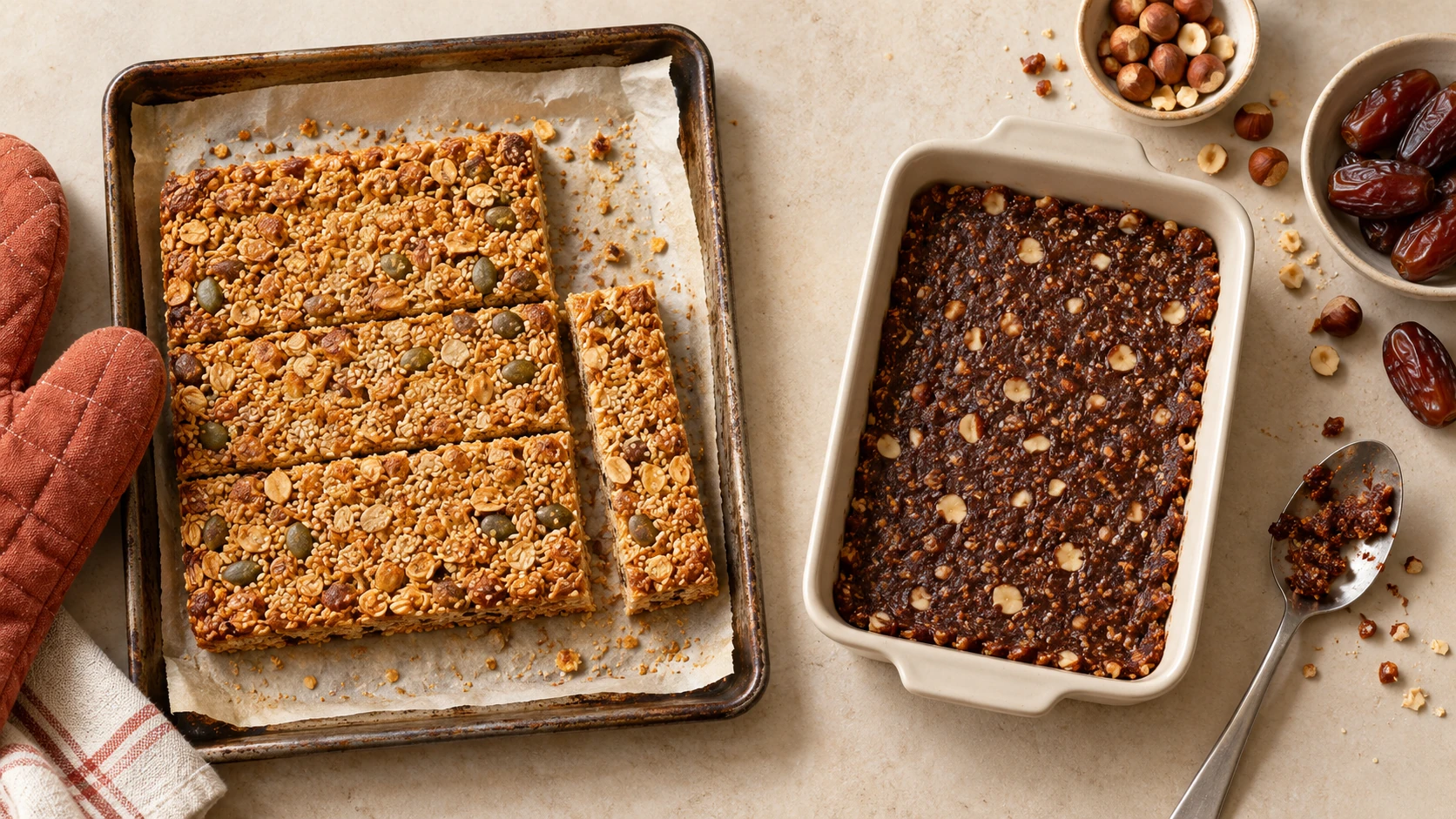
Some breaks come with a crunch. Others feel like a little bite of fudge.
In one corner: oven-baked cereal bars, with golden edges and the scent of an afternoon treat. In the other: no-bake fruit or cereal bars, mixed, pressed and left to set in the fridge.
Both need only everyday kitchen equipment. Neither automatically wins the title of healthiest bar. To choose, look at what goes into them — and what you feel like biting into.
No-bake does not necessarily mean raw
A no-bake bar never goes into your oven. That does not mean all its ingredients are raw.
Oat flakes may have been heat-treated during production. The hazelnuts in a nut butter may have been roasted. Chocolate has also gone through several processing steps.
On miette., “no-bake” describes how you prepare the recipe, rather than promising an entirely raw food. A small but useful distinction.
The oven adds character — and more than crunch
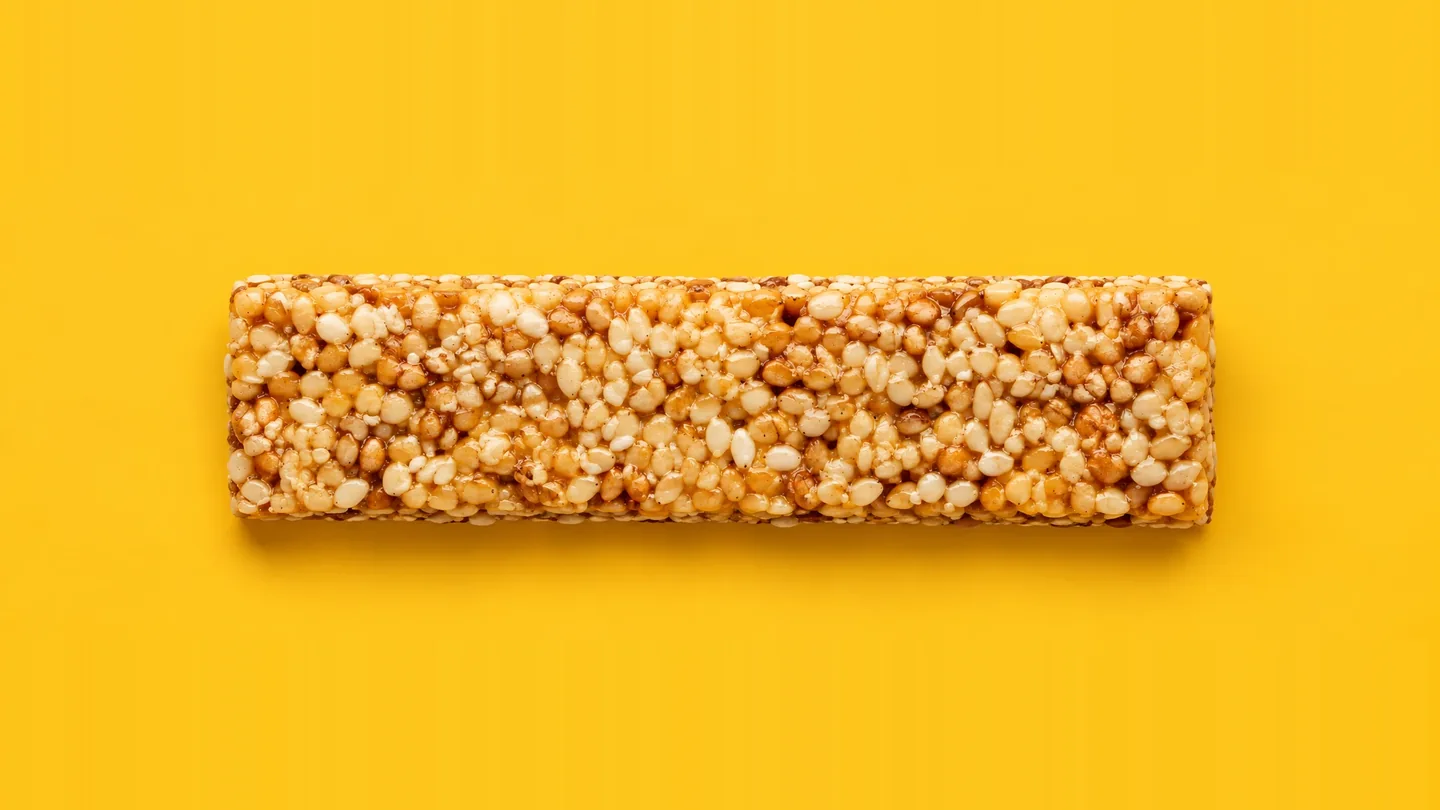
Baking changes flavours: oats develop toasted notes, seeds become more fragrant and edges turn golden. A sesame and vanilla bar can start to feel like a generous biscuit.
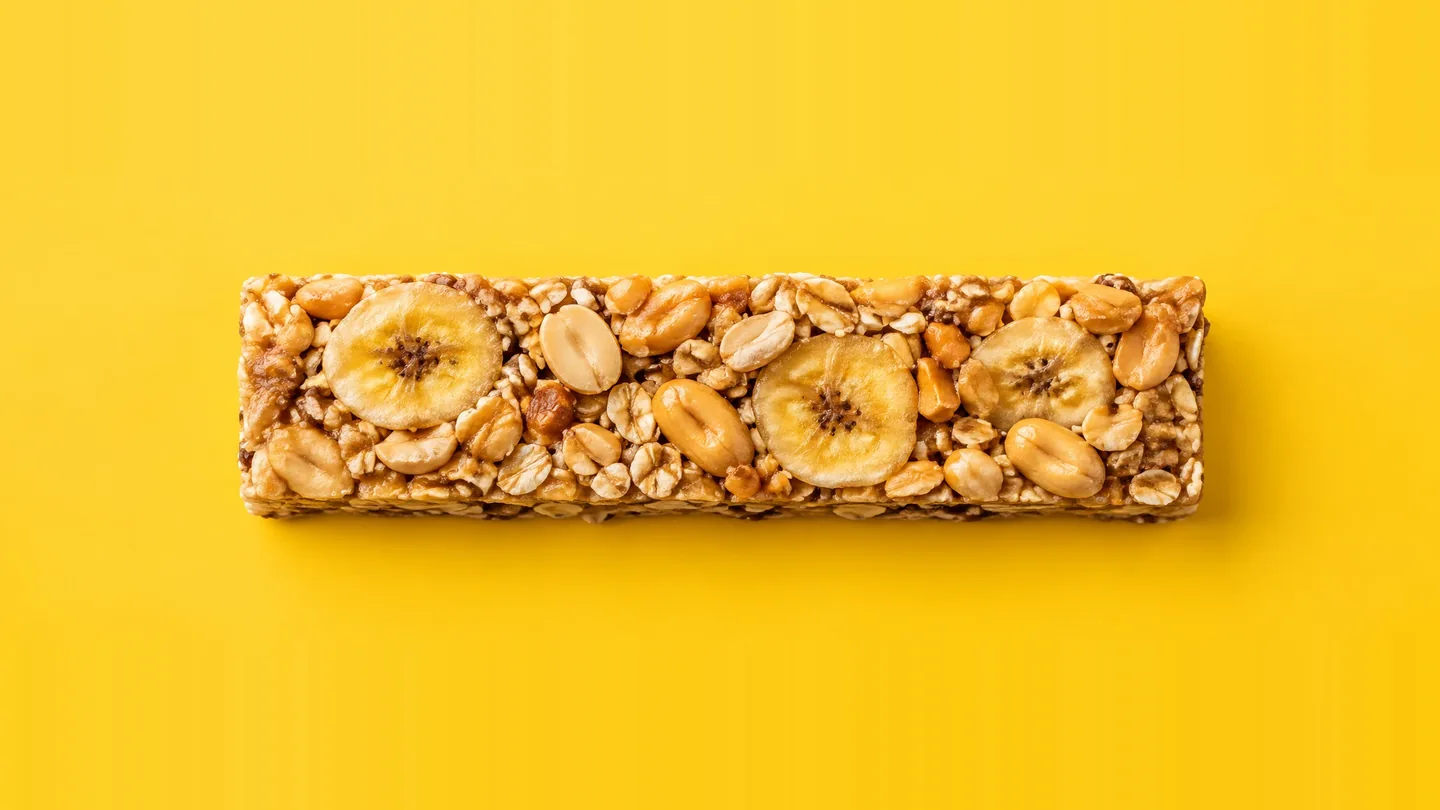
Baking also helps some mixtures hold together. But it does not make every bar crisp: banana or another moist base can keep the result soft, almost like a little cake.
The recipe matters as much as the cooking method. Banana and peanut will not have the same texture as a drier seed bar, even if both are baked.
Without the oven, softness takes centre stage
In no-bake bars, blended dried dates and nut or seed butters often bind the ingredients together without cooking.
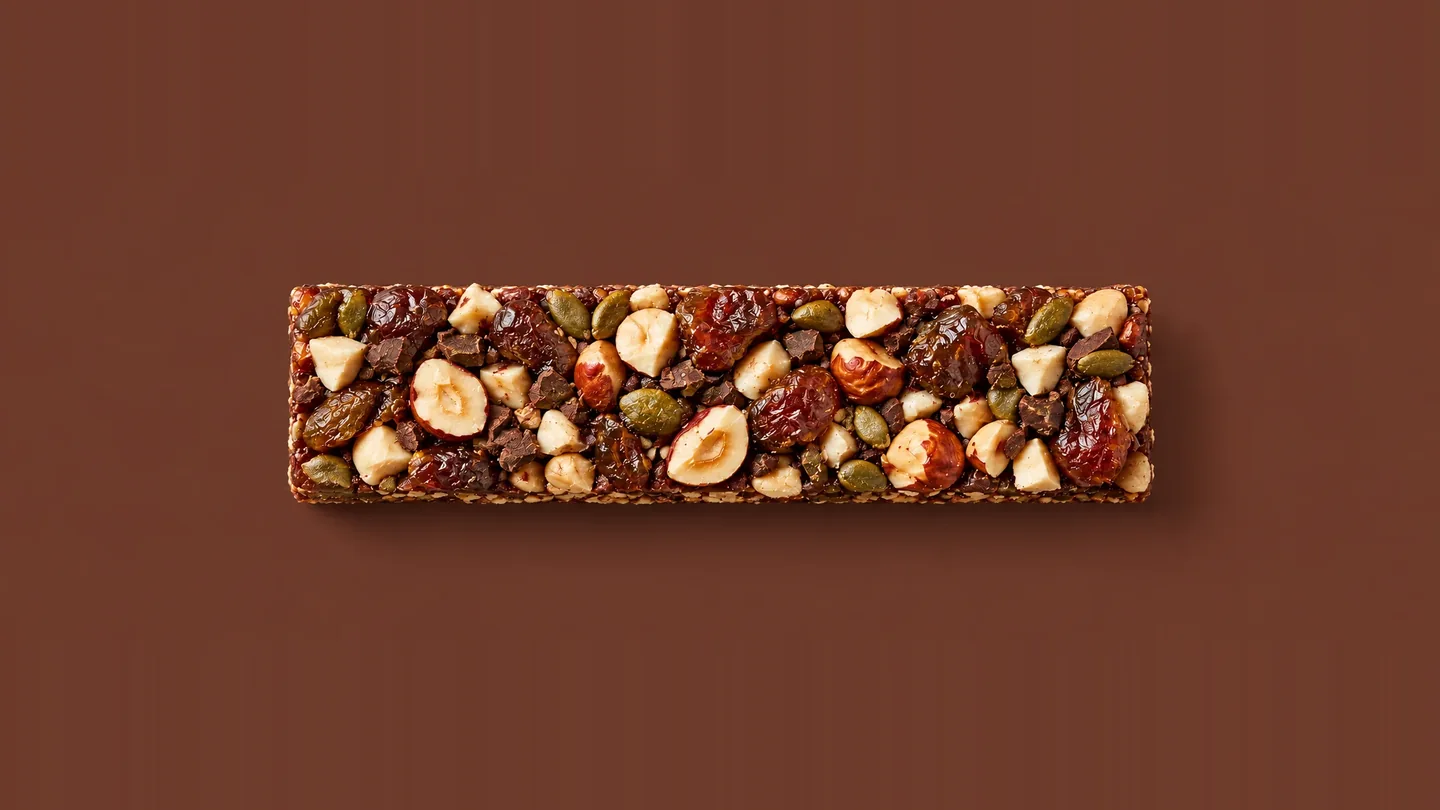
The result is usually dense and chewy, sometimes almost fudgy. Hazelnut pieces or seeds bring contrast: softness around a little crunch.
Preparation can be quick, but fridge time is part of the recipe. Ten minutes of work does not mean ten minutes until the first bite. Resting helps the mixture firm up and slice neatly.
Are raw bars healthier?
“Raw” has an appealing reputation. It suggests food left untouched, with every benefit preserved. The reality is less clear-cut.
Some vitamins, especially vitamin C, are sensitive to heat. But the effects of cooking depend on the food, temperature and time. That alone does not make no-bake bars nutritionally superior.
When comparing two homemade bars, look instead at:
- Ingredients and proportions. Plenty of oats, a few seeds and a little honey give a different composition from a mixture rich in dates and hazelnut butter.
- Sugar content. A date bar can contain a substantial amount of sugar even without table sugar.
- Fibre and protein. These depend mainly on the grains, nuts, seeds and other ingredients used.
- Portion size. A small bar and a large one are different-sized snacks.
The choice is not settled at the oven door
No-bake does not automatically mean lower in sugar or calories. A baked bar can certainly fit into a balanced diet too.
What about storage?
A bar that looks dry is not necessarily suitable for spending several days in a bag. Moisture, ingredients and storage conditions matter.
Recipes with fresh fruit or dairy ingredients especially need refrigeration. The fridge slows the growth of many microorganisms, but it does not replace clean preparation or an appropriate storage period.
A few simple habits:
- Use clean hands, utensils and work surfaces.
- Let baked bars cool before closing the container to limit condensation.
- Follow the storage advice for each recipe.
- If you make a large batch, freeze some when the recipe allows rather than keeping them in the fridge for longer.
- Carry bars that need refrigeration in a small insulated bag with an ice pack.
One important point for no-bake recipes
Do not add ordinary raw flour to thicken the mixture. Flour can contain harmful bacteria and needs cooking unless it is specifically intended to be eaten as it is.
Which bar suits your mood?
Want toasted flavours? Try Sesame & vanilla, an oven-baked recipe that puts seeds in the spotlight. Sesame & vanilla
Prefer a soft afternoon treat? Banana & peanut is baked but stays tender. Banana & peanut
Fancy a fudgy bite without switching on the oven? Try Dates & crunchy hazelnuts, with dried dates as the base and hazelnut pieces for texture. Date & hazelnut crunch
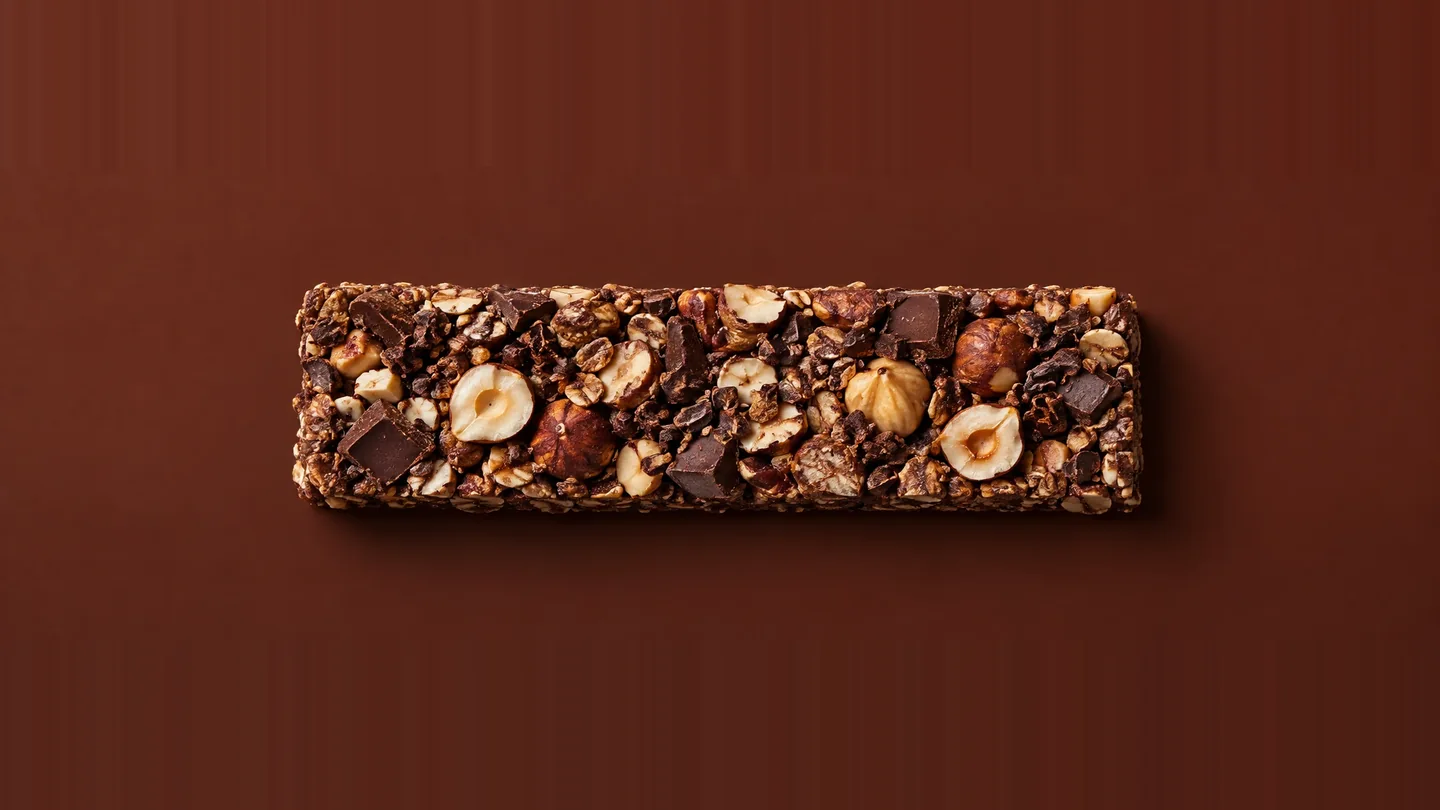
Mostly craving chocolate? Cocoa & hazelnut needs no baking, just time to set in the fridge. Cocoa & hazelnut
Perhaps the best approach is to try both: one batch for toasted aromas, another for a softer bite. Your next choice can simply follow your mood.