Can cooking lift your mood? The small pleasures of homemade
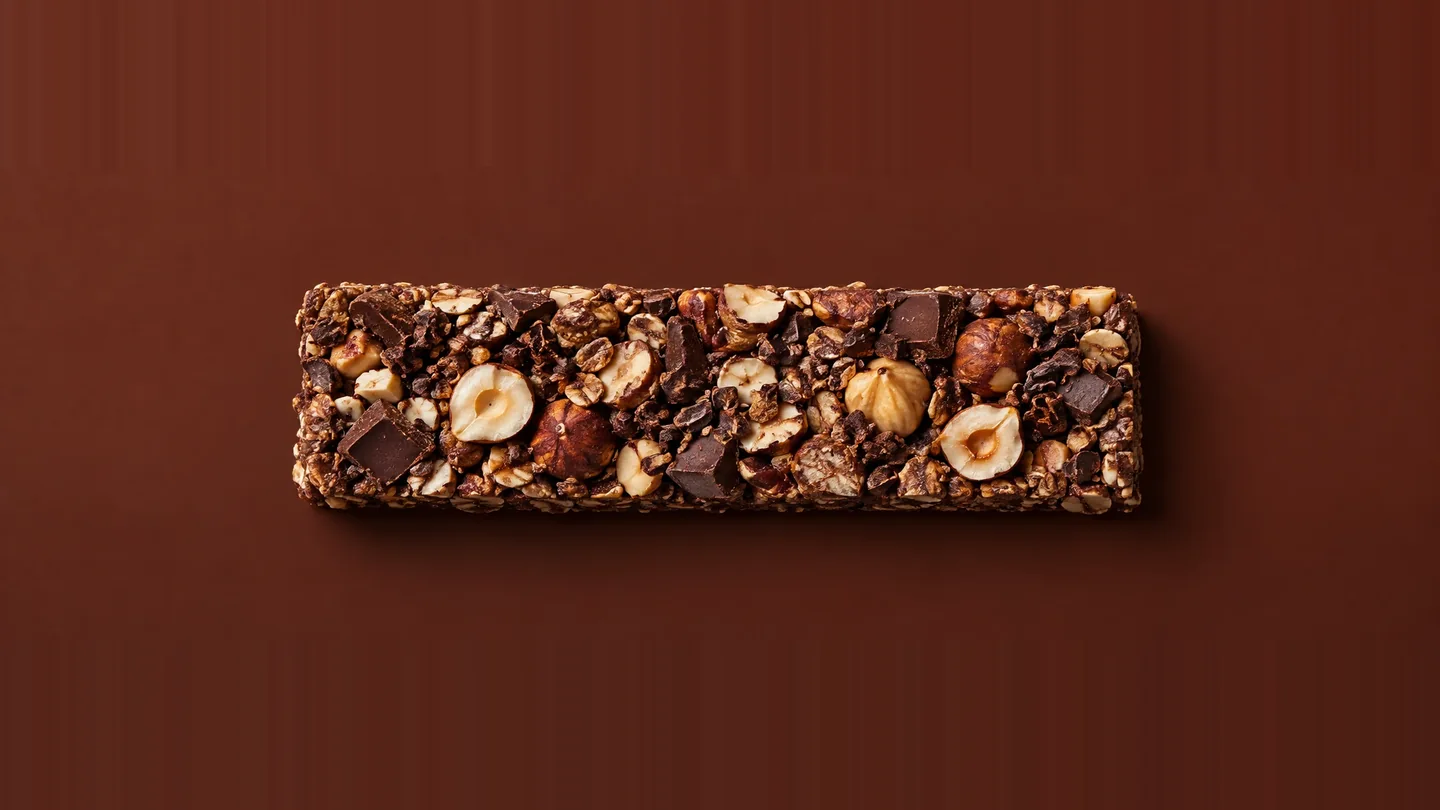
Hazelnuts cracking beneath a knife. Lemon zest scenting your fingers. A mixture pressed into a tin. Before the first bite, making something at home can offer a little pleasure of its own.
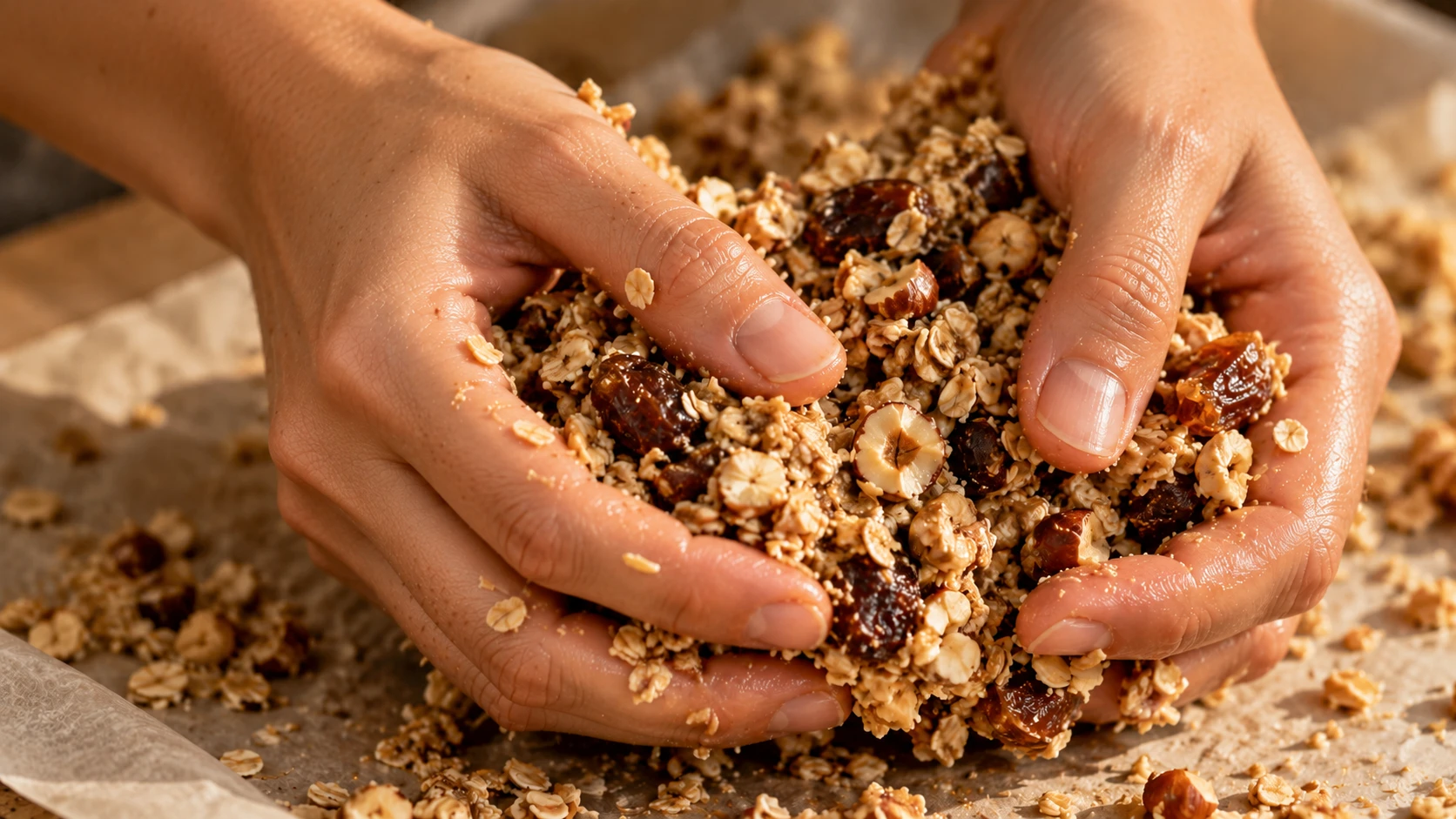
We often talk about what goes into homemade cereal and fruit bars. Less often about what making them might give us: enjoyable gestures, the freedom to choose a flavour, the satisfaction of turning a mixture into a snack.
Can cooking lift your mood? Research offers promising clues, without turning a mixing bowl into a remedy. Here is what we can take from it, without adding another task to your day.
Possible benefits, without a magic recipe
A 2018 systematic review by Nicole Farmer and colleagues examined eleven studies of cooking interventions. Several reported benefits for emotions, self-esteem, social relationships or quality of life.
But studies were often small, non-randomised or used less robust measures. Findings are encouraging, while evidence remains limited. A supported cooking workshop is also different from making a batch alone at home.
“I made that”: something you can see and taste
A few ingredients become something you can cut, taste and take with you. That tangible result can bring a satisfying sense of achievement.
In a 2022 study involving 657 Australian adults, a seven-week cooking programme improved cooking confidence and satisfaction. Some mental health indicators also improved, with modest effects.
The quasi-experimental study could not establish how much came from new skills, enjoying cooking or joining a group activity. For your bars, the practical idea is simple: start with an approachable recipe you would like to make again.
A little room for creativity
Creativity does not always need paint and a canvas. Choosing lemon or vanilla, playing with crunch, leaving a few hazelnut pieces: small decisions can make something feel your own.
Conner and colleagues followed 658 young adults for thirteen days. Days with more reported creative activity than usual were followed by higher positive emotions and a greater sense of flourishing.
This study concerns everyday creativity, not homemade bars specifically. It shows an association rather than proof that a new flavour combination improves mental health. Still, it offers a reason to make room for exploration. On your first attempt, keep the quantities and ingredients that help the recipe hold together.
Conner, DeYoung & Silvia (2018; online 2016) — Everyday creative activity as a path to flourishing
A moment to smell, touch and notice
While zesting a lemon or stirring almond butter into oats, you can choose to notice the scent, the resistance of the mixture and the sound of the spoon. One thing at a time, for a few moments.
A small 2015 study by Hanley and colleagues assigned 51 students to two groups before washing dishes: one received mindfulness instructions, the other a practical description. The mindfulness group reported greater state mindfulness, less nervousness and more inspiration immediately afterwards. This was a small, brief experiment about dishwashing, not making bars.
This is an invitation to a sensory experience, not a demonstrated medical effect of cooking. Making bars is not automatically meditation, and we have no specific evidence that it reduces anxiety.
If those gestures give you a pleasant pause, enjoy it. If you prefer music or conversation, your kitchen does not need to be silent to feel good.
Making something to share
A box of bars can stay in your bag or become part of a break with someone else, a snack with friends or a table of colleagues.
In 2026, Hui and colleagues examined cooking for others across four studies involving more than 1,500 people. Everyday observations associated those moments with more positive emotions and subjective happiness. Links with lasting wellbeing were smaller and inconsistent.
The research could not fully separate cooking from social contact or shared meals. We can describe an opportunity to give pleasure and connect, without promising a lasting lift in mood.
A homemade break, without pressure
The starting point may not be cooking more. It may be making this small moment more enjoyable when you have the time and inclination.
- Choose a simple recipe and read the steps first.
- Set out ingredients and equipment to avoid unnecessary back-and-forth.
- Start with a small batch rather than a whole week of snacks.
- Take a minute to notice a scent or texture if you enjoy it.
- Share the preparation or a few bars if you feel like it.
- Accept uneven edges: a homemade bar does not need to match its photograph.
Pleasure belongs in the recipe too
Homemade can be creative, satisfying and sociable. It also takes time, energy and washing-up. Benefits depend on the person and context: a chosen moment is different from an imposed chore.
These studies do not establish homemade bars as a treatment for anxiety or depression. They invite us to notice the small pleasures that sometimes accompany making food.
And if you do not want to get a tin out today, there is nothing to achieve or make up for. Your next batch can wait.