Are homemade cereal bars cheaper than store-bought ones?
At the snack aisle, eight Prix Garantie bars at Coop cost CHF 1.45. Hard to beat, right? Then you spot six organic bars at CHF 4.70. Suddenly it is worth doing the maths.
The recipe sets the price
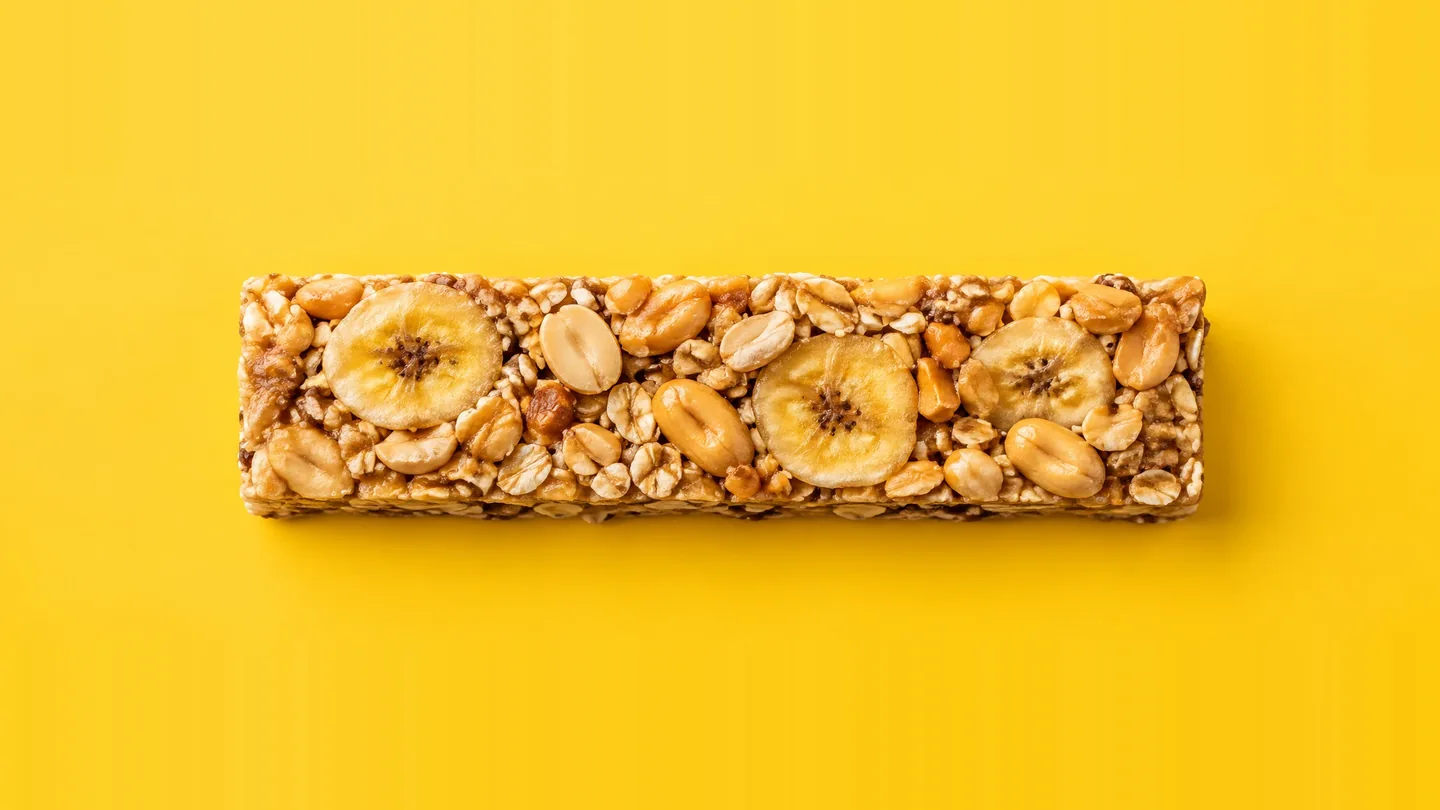
Among miette.’s homemade cereal bar recipes, take Banana & peanut. By our estimate, the ingredients cost about CHF 0.42 per bar. At roughly 61 g of ingredients before preparation, that is CHF 0.69 per 100 g.
| Recipe | Est. cost / bar | Ingredients / bar | Cost / 100 g |
|---|---|---|---|
| Banana & peanut | CHF 0.42 | ≈ 61 g | CHF 0.69 |
| Almond & oat | CHF 0.72 | ≈ 51 g | CHF 1.41 |
| Matcha & coconut | CHF 1.16 | ≈ 48 g | CHF 2.40 |
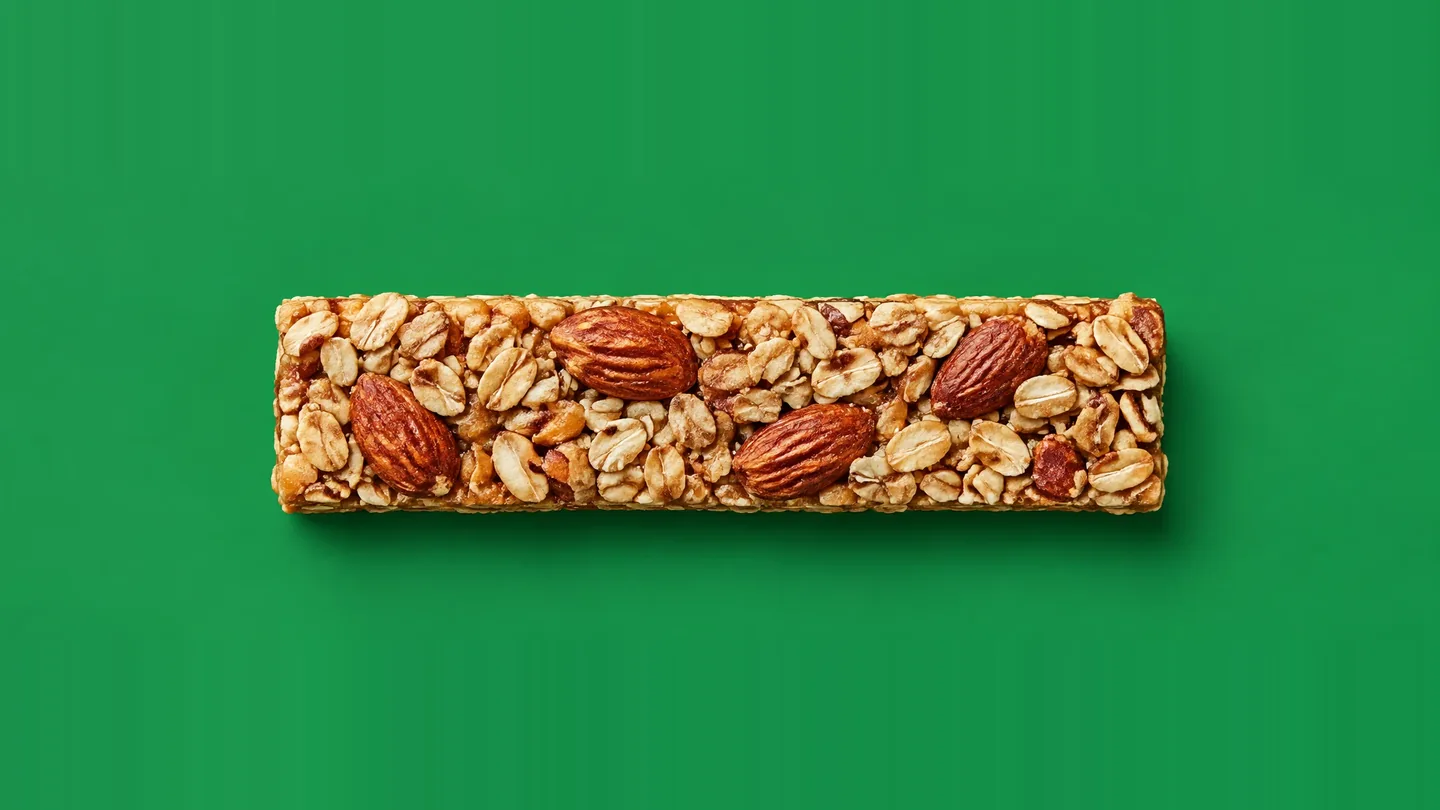
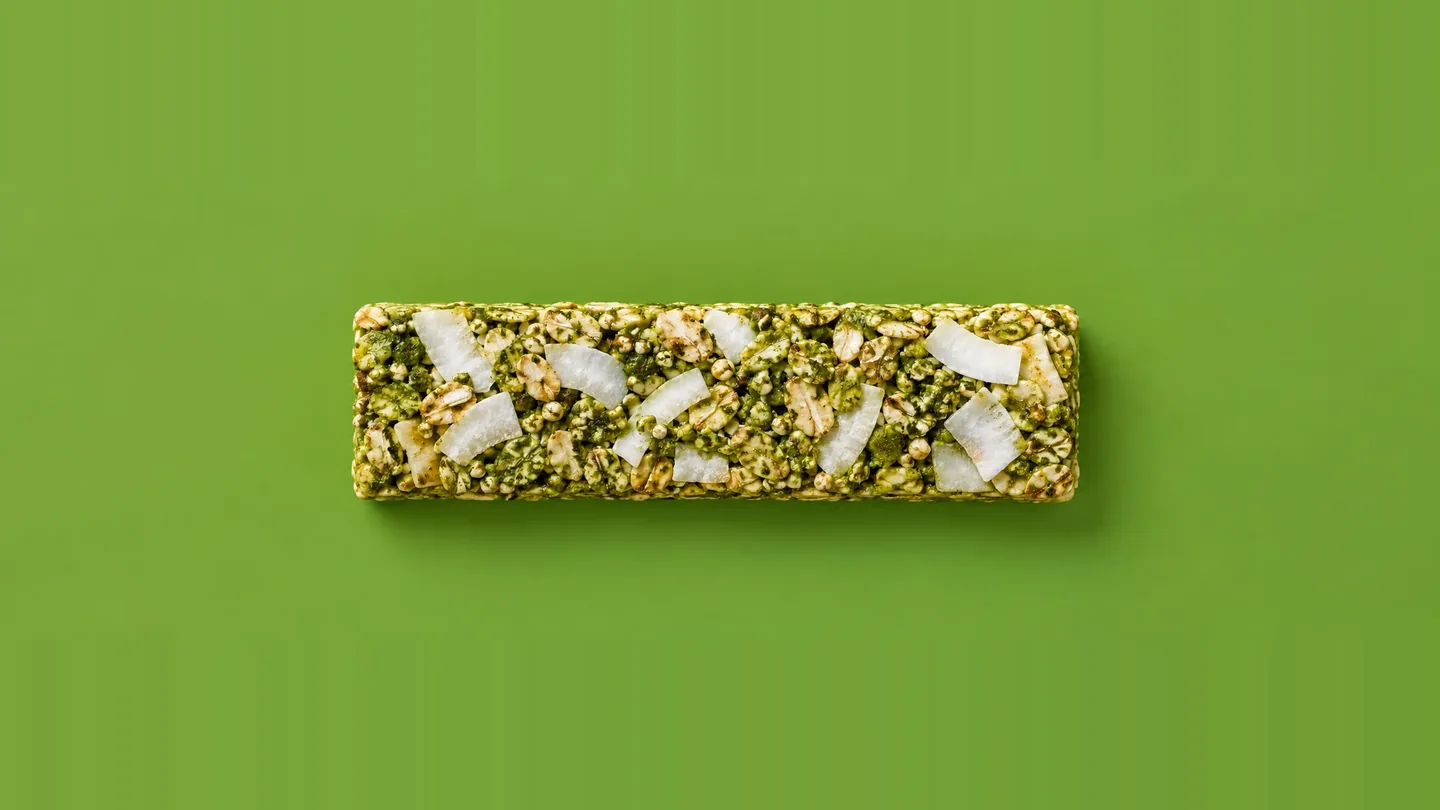
Change the recipe and the result changes too. Almond & oat costs around CHF 1.41 per 100 g; Matcha & coconut reaches CHF 2.40. Almonds, nut butters and matcha bring plenty of flavour, but they also show up on the bill.
One bar can mean two very different portions
The Coop Prix Garantie bars in our example weigh 25 g each. Our three homemade bars start with about 48 to 61 g of ingredients apiece, before any moisture is lost in baking. Comparing only the price per bar would be misleading.
Price per 100 g puts sizes on equal footing. It says nothing on its own about ingredients or taste: these are different products.
At Coop
Examples checked in September 2026:
- Prix Garantie chocolat & cacahuètes · CHF 1.45 / 200 gCHF 0.73 / 100 g
- Country Brownie · CHF 3.50 / 150 gCHF 2.33 / 100 g
- Naturaplan bio · CHF 4.70 / 150 gCHF 3.13 / 100 g
When the shopping bill looks alarming
You cannot buy exactly 105 g of peanut butter at the checkout; you buy the whole jar. The same goes for oats, seeds and dried fruit. Your first batch can cost more upfront than the ingredients it actually uses. The next one can make use of what is left.
A few ways to keep costs down
- Wait for offers on ingredients that keep well, such as oats, seeds and dried fruit. Check the date and store them properly.
- Start with what is already in your cupboard. Using an open jar of tahini often costs less than buying five new ingredients.
- Pick your splurge: a few grams of matcha or chocolate may be enough to flavour a batch.
- Compare prices per kilo. A large pack only pays off if you will use it while it is still good.
- Make several bars at once, and use seasonal fruit in recipes that call for fresh fruit.
So which wins?
If the lowest possible price is all that matters, some supermarket bars are hard to beat. But homemade bars can cost less than many alternatives, especially when you reuse ingredients and choose recipes that suit your budget.
You also get to decide where the money goes: a handful of nuts, fruit you love, a little chocolate… and a break made exactly to your taste.