Matcha: a passing trend or a new break-time staple?
It colours lattes, finds its way into desserts and gives homemade cereal and fruit bars character. But behind that unmistakable green, matcha has more to tell: a flavour, a history and some delicious encounters in the kitchen.
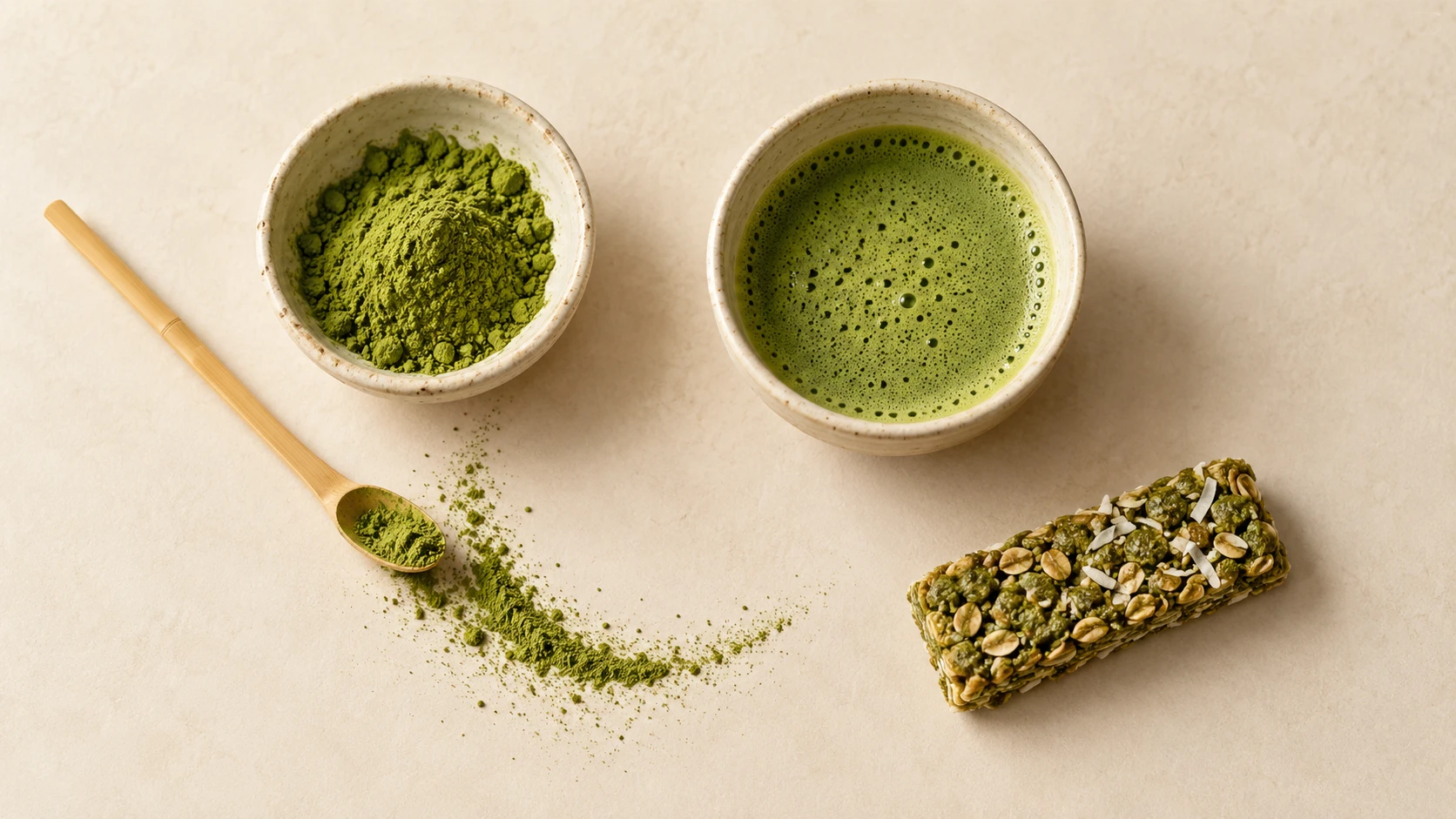
Your first taste can be a surprise. You expect creamy sweetness, almost a dessert. Instead, there is a vegetal note, a little bitterness, something that lingers.
Matcha does not disappear behind the other ingredients. It brings its own personality. That is what interests us in Matcha Mood, miette.’s collection of homemade cereal and fruit bars: exploring the tea through different pairings rather than repeating the same green break.
Before reaching for the oats and almond butter, let’s look at the powder.
An old tea in a very current break
Matcha is finely powdered green tea, traditionally made from tencha. It belongs to a long Japanese tea history, including the tea ceremony. Its arrival in our snacks is recent by comparison.
With an infusion, you remove the leaves after steeping. With matcha, the powder stays in your drink — or in the food you eat.
That is why it works in the kitchen: a few grams spread through dough, cream or a bar mixture. No separate cup needed to enjoy its flavour.
More interesting than its colour
The green catches your eye. The taste brings you back.
Depending on the powder and dose, you may find grassy notes, varying bitterness and a rounded sensation sometimes described as umami. Words are no substitute for tasting: two powders can give very different results.
In a homemade bar, balance matters. Too little and matcha is mostly colouring; too much and it takes over. In between, it adds depth, a lingering aroma and contrast with fruit or chocolate.
Matcha Mood: one ingredient, different moods
A matcha collection could simply be a row of green bars. We prefer a small playground for flavours.
Matcha Mood brings together 8 recipes with different textures and pairings. Some are gentle, others tangy or crunchy. Matcha is the common thread, without imposing one way to love it.
A few places to start:
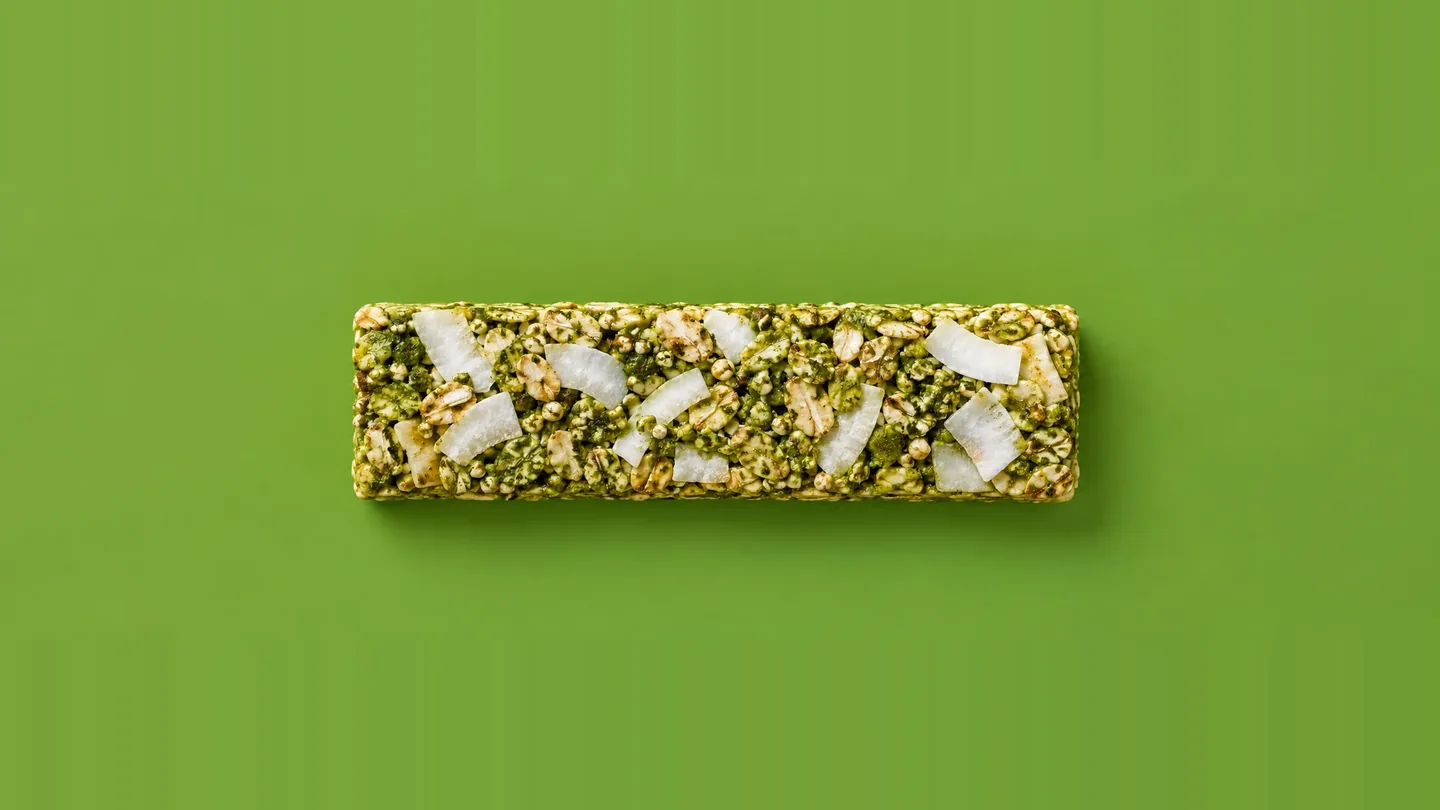
- Matcha & coconut : a gentle pairing of coconut, cashew butter and vegetal tea notes.
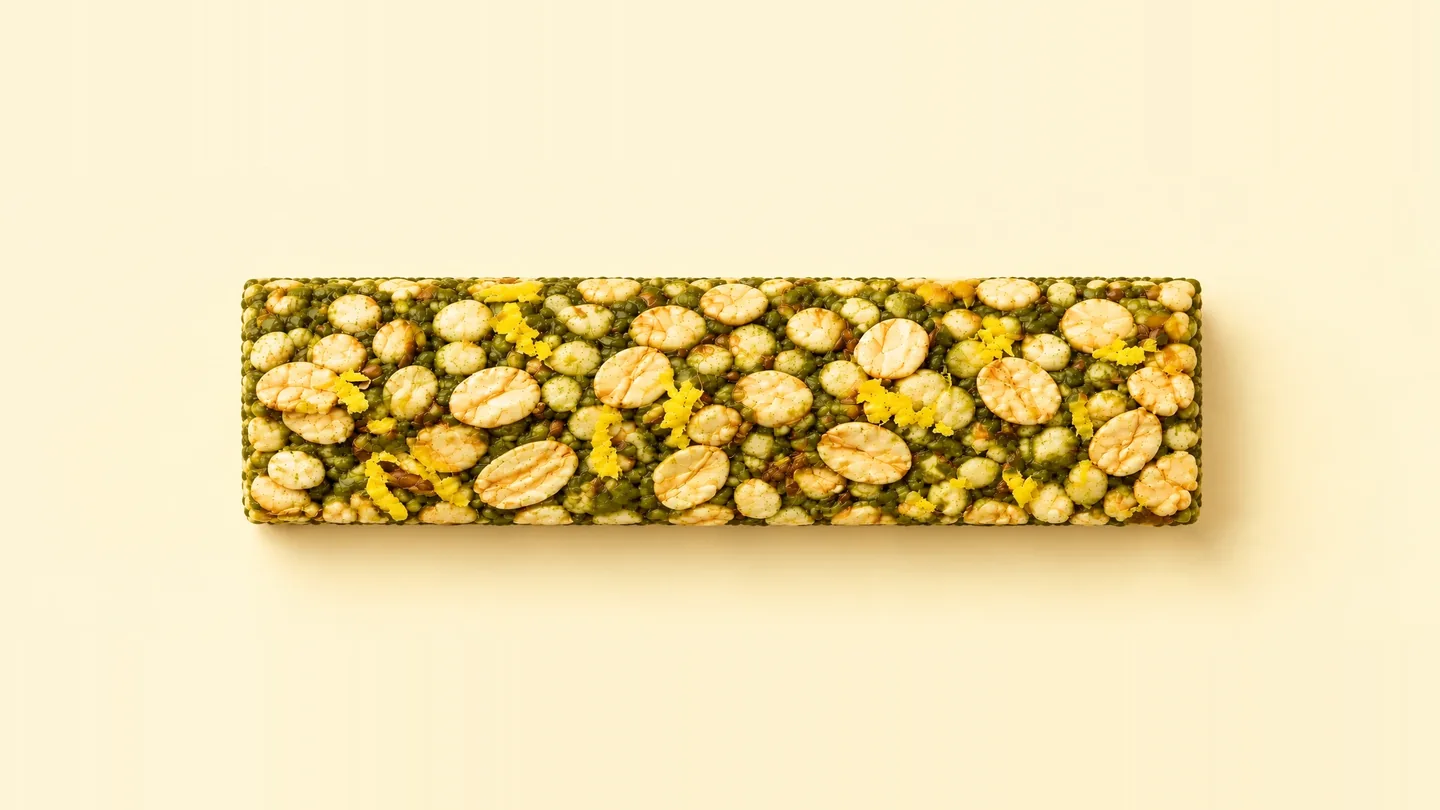
- Matcha & lemon : citrus contrast, with puffed rice for texture.
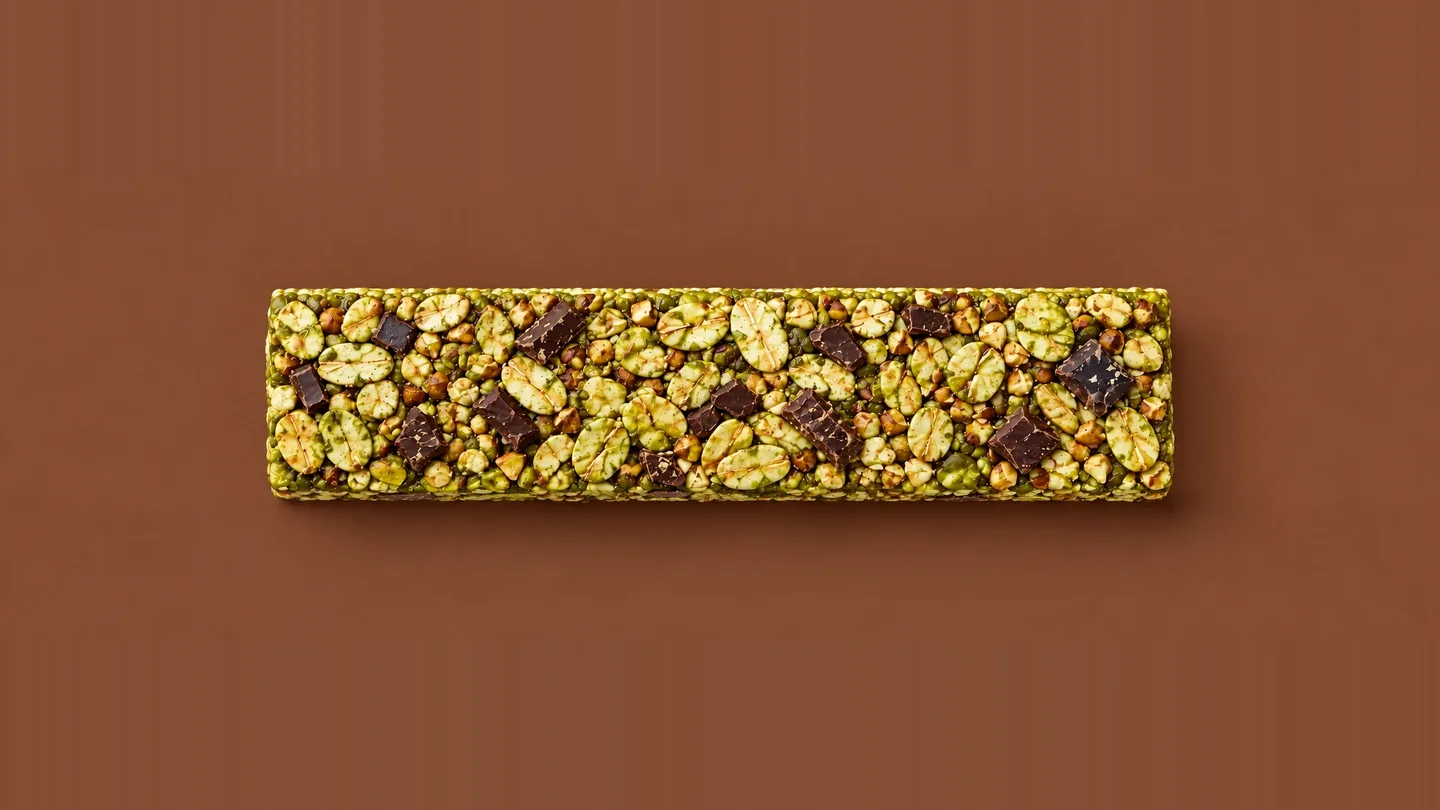
- Matcha & dark chocolate : a more intense break with toasted buckwheat.
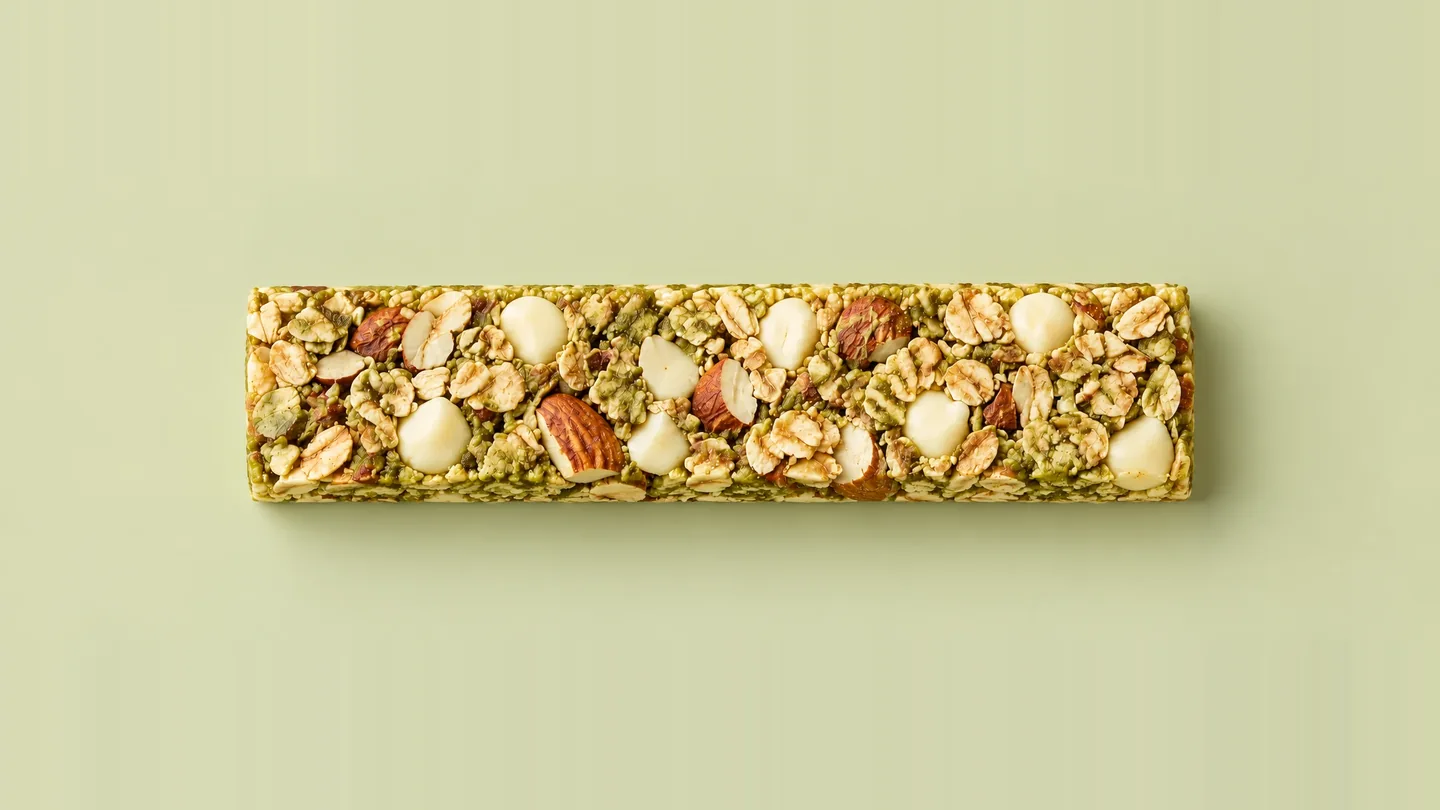
- Matcha latte & vanilla : creamy latte cues in a bar, with skyr, almonds and a touch of white chocolate.
Start with something familiar
If matcha is new to you, choose a pairing you already like. Love coconut? Start there. Prefer tangy flavours? Try lemon. You do not need to change all your habits to discover a new ingredient.
Which matcha should you choose for homemade bars?
Faced with pretty tins and small packets, prices can tempt you to close the cupboard before starting.
For a recipe combining tea, oats, fruit and nut butter, you can start with a matcha sold for cooking. What matters is enjoying its taste in that setting.
A few useful habits:
- Read the ingredients. Choose pure matcha powder, without added sugar or a latte mix.
- Choose certified organic matcha when you can, with clearly stated growing origin.
- Start small so you can try the flavour before buying a large tin.
- Compare the price per gram, then check how much the recipe actually uses.
- Follow storage instructions and close the pack carefully after use.
- Do not choose on colour alone: it cannot tell you how the powder will taste in your recipe.
A few grams change the recipe
The right matcha is also one you will enjoy using.
Current Matcha Mood recipes generally use 7–9 g for ten bars. Tea is an accent, not the base of the bar.
Sift any lumps and mix the powder thoroughly into the dry ingredients or creamy mixture as the recipe directs.
Resist adding lots more for a brighter green. A more vivid photograph does not guarantee a better bite.
Once you know your product, you can adjust the dose slightly in a later batch. Taste deserves as much attention as colour.
A matcha bar contains caffeine too
Matcha is still tea: it contains caffeine, even in a bar.
The amount depends on the product and dose. Without precise information about your powder, we cannot give a reliable caffeine content per bar.
Think about your whole day: coffee, tea, chocolate and other sources add up. Caffeine can disturb sleep for some people, especially near bedtime. Guidance is more restrictive during pregnancy.
If you limit caffeine, choose another flavour from the wider collection. A recipe without matcha avoids this caffeine source in a snack for children.
Matcha does not need promises of energy, focus or “detox” to earn a place in a recipe. Its flavour is enough.
Green in your cup — and for the planet?
Colour does not make an ingredient environmentally friendly. Growing, processing and transport all matter.
Projects are developing closer to Switzerland: Growing Karma grows tea plants in Brandenburg, Germany, aiming to make its own matcha. It is still developing. Read labels carefully: tea milled or packed in Europe may come from leaves grown in Asia.
A closer origin could shorten transport, but does not automatically mean a better environmental footprint. Transport method and production energy also matter, especially if heated greenhouses are needed.
Choose certified organic matcha with a clear origin when you can. Organic rules restrict cultivation inputs; they do not guarantee a low carbon footprint.
Buy an amount you will actually use: a few grams to flavour your bars, rather than a large tin forgotten in the cupboard.
A passing trend or an ingredient that stays?
Nobody can guarantee matcha will occupy the same space in shop windows and social feeds tomorrow.
Its colour photographs well. Its history and culinary possibilities give it a life well beyond trends.
In the kitchen, the real question is simpler: will you want to make the recipe again when you have forgotten to photograph it?
If so, matcha has already found a place in your break.