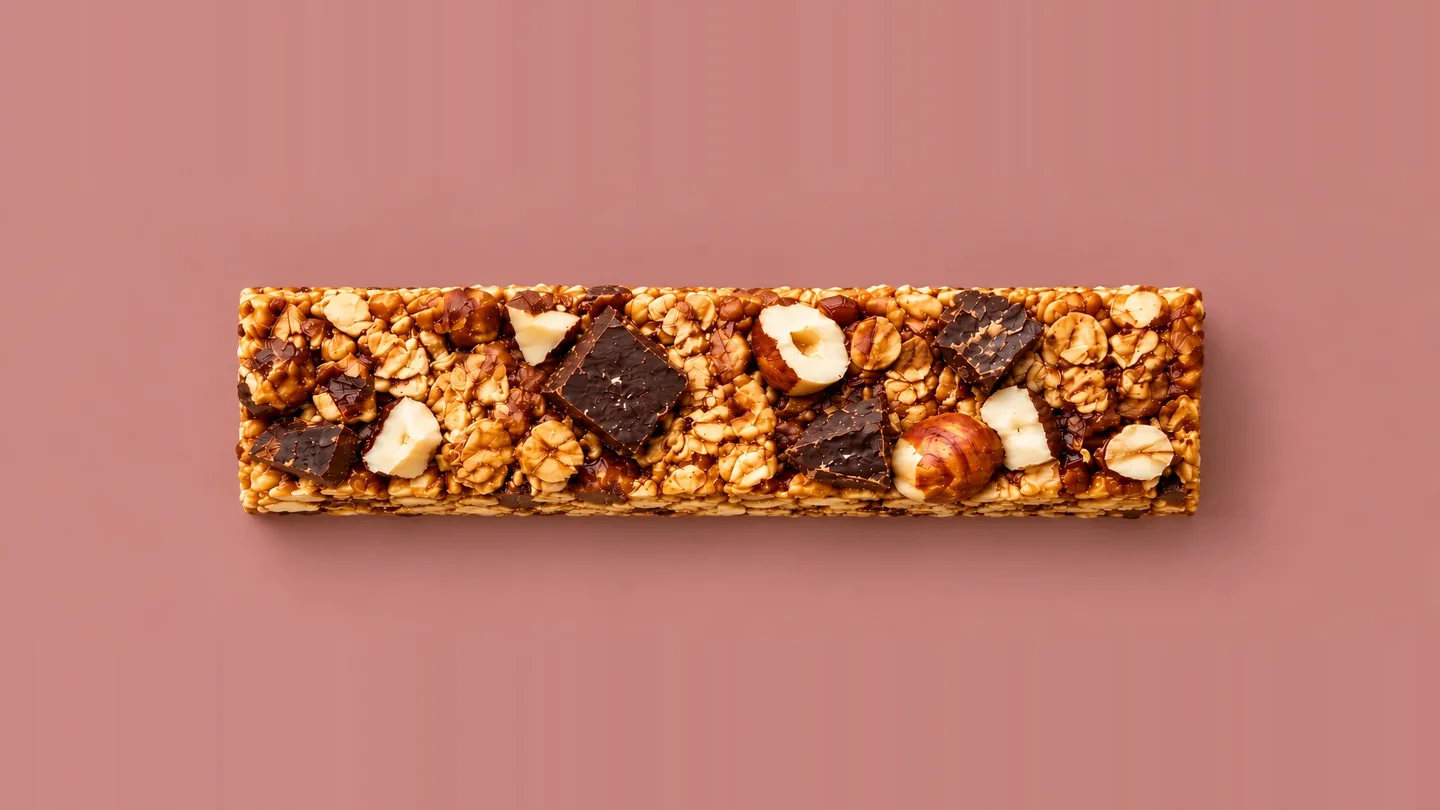
Umami: the taste you recognise before you know its name
Tomato sauce you taste once more from the tip of a spoon. A piece of aged cheese whose flavour lingers. Mushrooms that give a broth its character. Beyond their aromas, something connects them: a familiar, savoury taste that can be hard to describe.
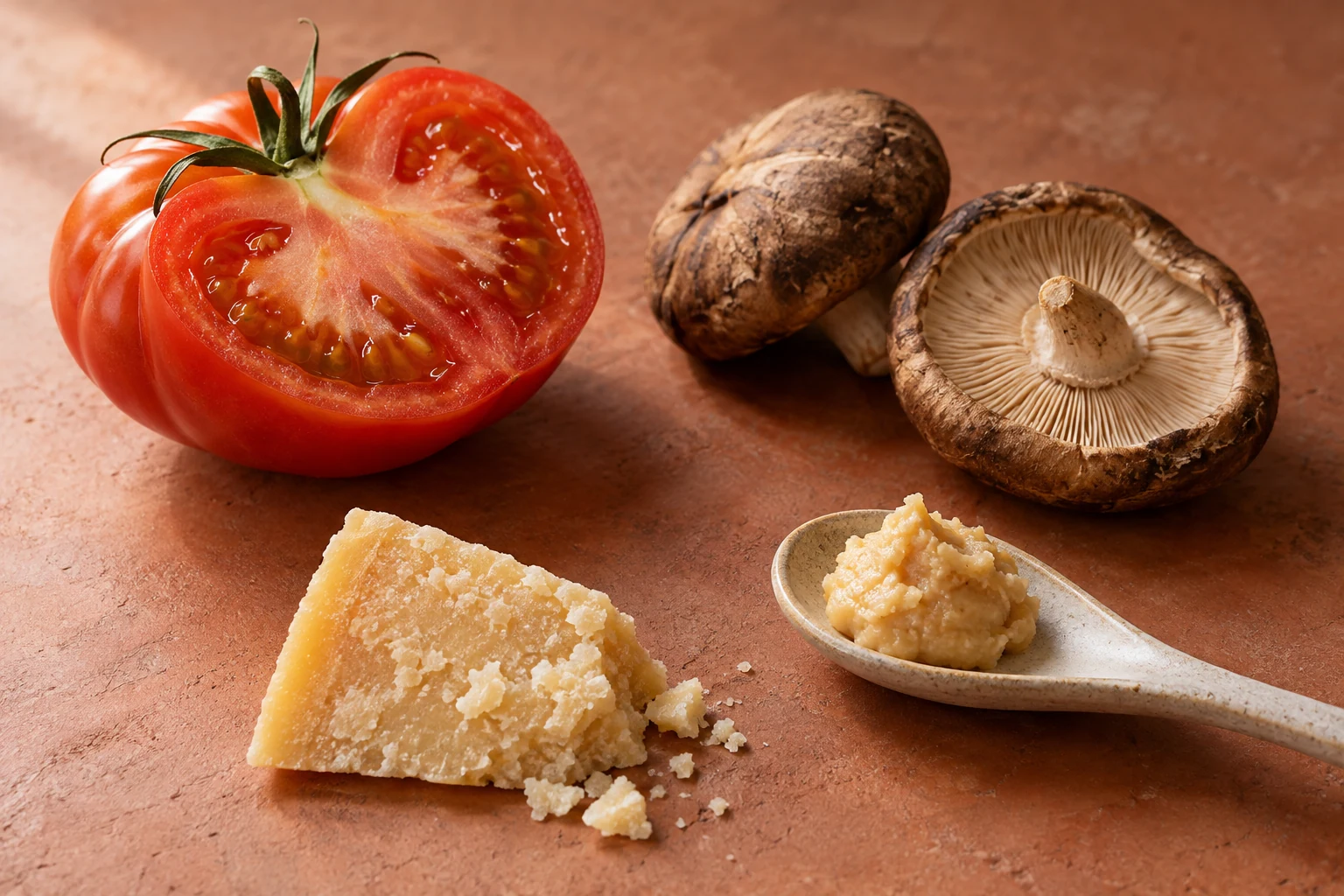
You might call it “deep”, “rounded” or “full of flavour”. The word you are looking for could be umami.
You probably know it already. To recognise it, try looking at a few kitchen ingredients with fresh curiosity. And perhaps explore them in homemade cereal bars, like those in miette.’s Umami Lab collection.
A fifth taste, already in your kitchen
Sweet, salty, sour and bitter are easy to name. Umami completes the five generally recognised basic tastes. Think of the savoury character of broth, aged cheese or certain vegetables.
Why give it a place of its own? Because its perception relies on identified taste mechanisms, with receptors sensitive to the molecules that produce this sensation. It is more than another way of saying a dish is delicious.
In everyday eating, everything arrives together: tastes, aromas, temperature and texture. A pan-fried mushroom can bring woody aromas, a browned surface and an umami taste. These sensations meet, but they describe different things.
Umami and saltiness: two different sensations
The confusion makes sense. Miso, aged cheese and soy sauce can bring both salt and umami.
Saltiness is a sensation associated notably with table salt. Umami is a different taste, associated notably with glutamate. They can coexist without being interchangeable.
A tomato naturally contains glutamate, even when you add no salt. Conversely, adding more salt to a mixture does not automatically give it more umami.
In the kitchen, that distinction helps you find balance. If a miso bar tastes too salty, adding more miso to make it “more savoury” may mainly intensify what already bothers you.
Familiar umami ingredients to explore
You do not need to start with an ingredient that is hard to find. Several familiar foods offer good starting points:
- Tomatoes, fresh, concentrated or dried: notice what lingers beyond their sweetness and acidity.
- Mushrooms, especially shiitake: their woody aroma accompanies an umami taste, but is a different sensation.
- Aged cheese, including some hard cheeses: salt, aromas and umami together shape its character.
- Miso, a fermented paste whose profile depends on its ingredients and how it is made: some versions are gentle, others more pronounced.
- Soy sauces, including tamari, which bring both fermented flavour and salt.
These foods contain compounds involved in umami taste, but their intensity varies with the product and its preparation. This list is for exploring rather than ranking. A review of umami compounds and how we perceive them .
Start simply: taste a little tomato, then a piece of aged cheese, taking time to let the first impression pass. There is no test to get right. You are finding your own words.
Glutamate, without a chemistry lesson
Glutamate is one of the main compounds responsible for umami. Here, what matters most is its free form, available to taste receptors.
In miso, fermentation breaks down proteins into smaller compounds and helps release glutamate. That explains part of its flavour. A scientific review of koji and miso describes these changes.
Talking about glutamate naturally present in food does not mean a flavour enhancer has been added. And “umami” names a sensation, rather than an additive.
Another interesting detail: some molecules can strengthen the perception of umami together. Glutamate can work in synergy with nucleotides, including guanylate found in dried shiitake. A scientific review published in 2026 explores this mechanism.
That offers a clue to why mushrooms and fermented ingredients can work together. The exact intensity still depends on amounts and preparation: a recipe’s name alone cannot tell us.
And in homemade cereal bars?
Dried tomatoes, aged cheese and mushrooms fit quite naturally into a savoury bar. With seeds and nuts, they offer a bite that could also join an aperitif.
The route towards sweetness is a little less expected.
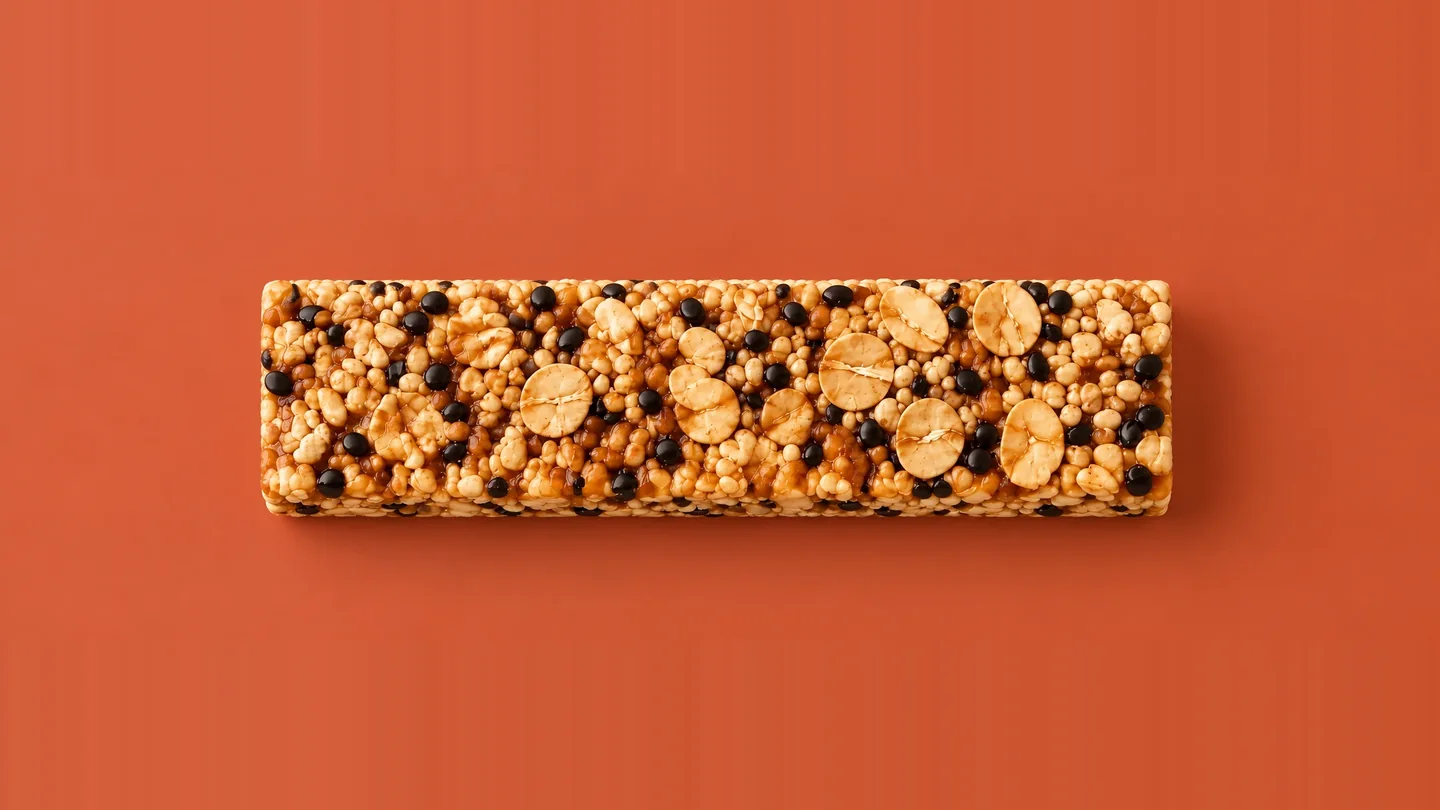
In a miso and dark chocolate pairing, miso brings fermented flavour, umami and salt. Chocolate brings its own character, while hazelnut and maple syrup complete the mixture. The culinary idea is to give the bite more depth while leaving room for every ingredient.
This search for balance belongs to cooking: it does not prove that umami automatically improves every dessert. Nor does the toasted aroma of peanuts or sesame become “umami” simply because it is intense.
There is plenty of pleasure to find in those nuances.
Umami Lab: five ways to explore
The Umami Lab collection from miette. offers five recipes that play with these combinations. Each gives you a different starting point:
- Miso & black sesame combines white miso, tahini, black sesame and sesame with maple syrup in an oven-baked oat base.
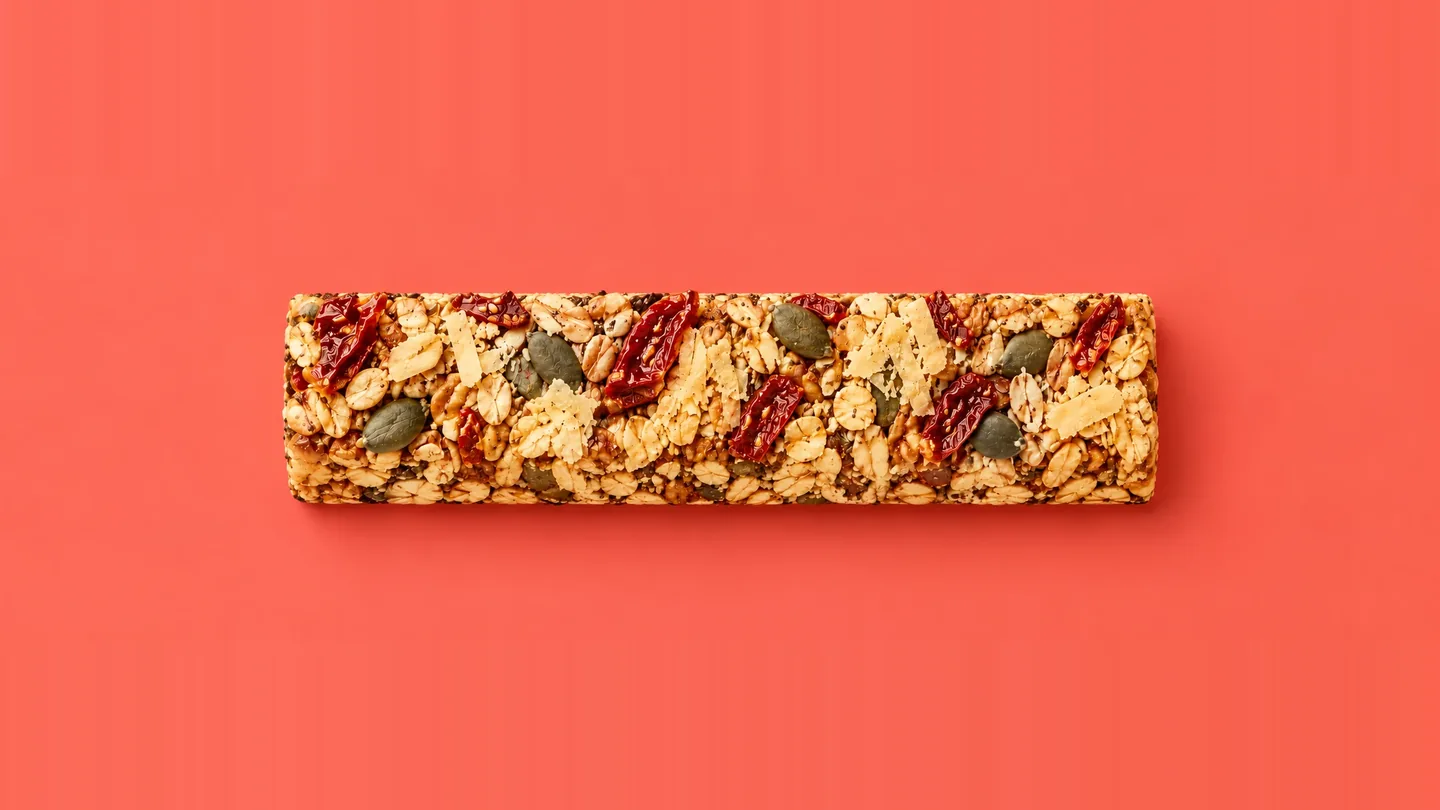
- Sun-dried tomato & aged cheese brings together dried tomatoes, hard cheese and pumpkin seeds, with almond butter, olive oil and a touch of honey.
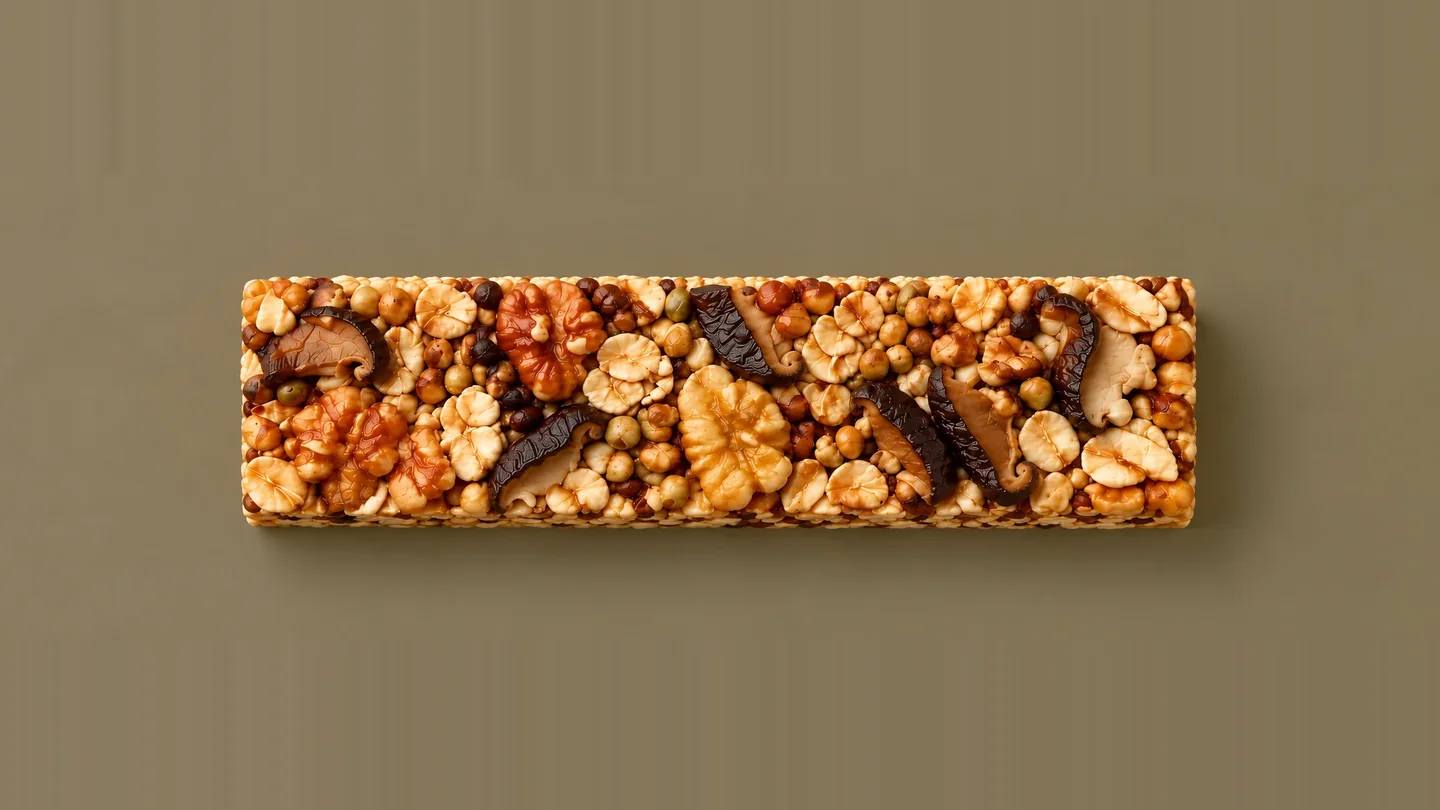
- Shiitake & walnut pairs dried shiitake and white miso with walnuts, toasted buckwheat and maple syrup.
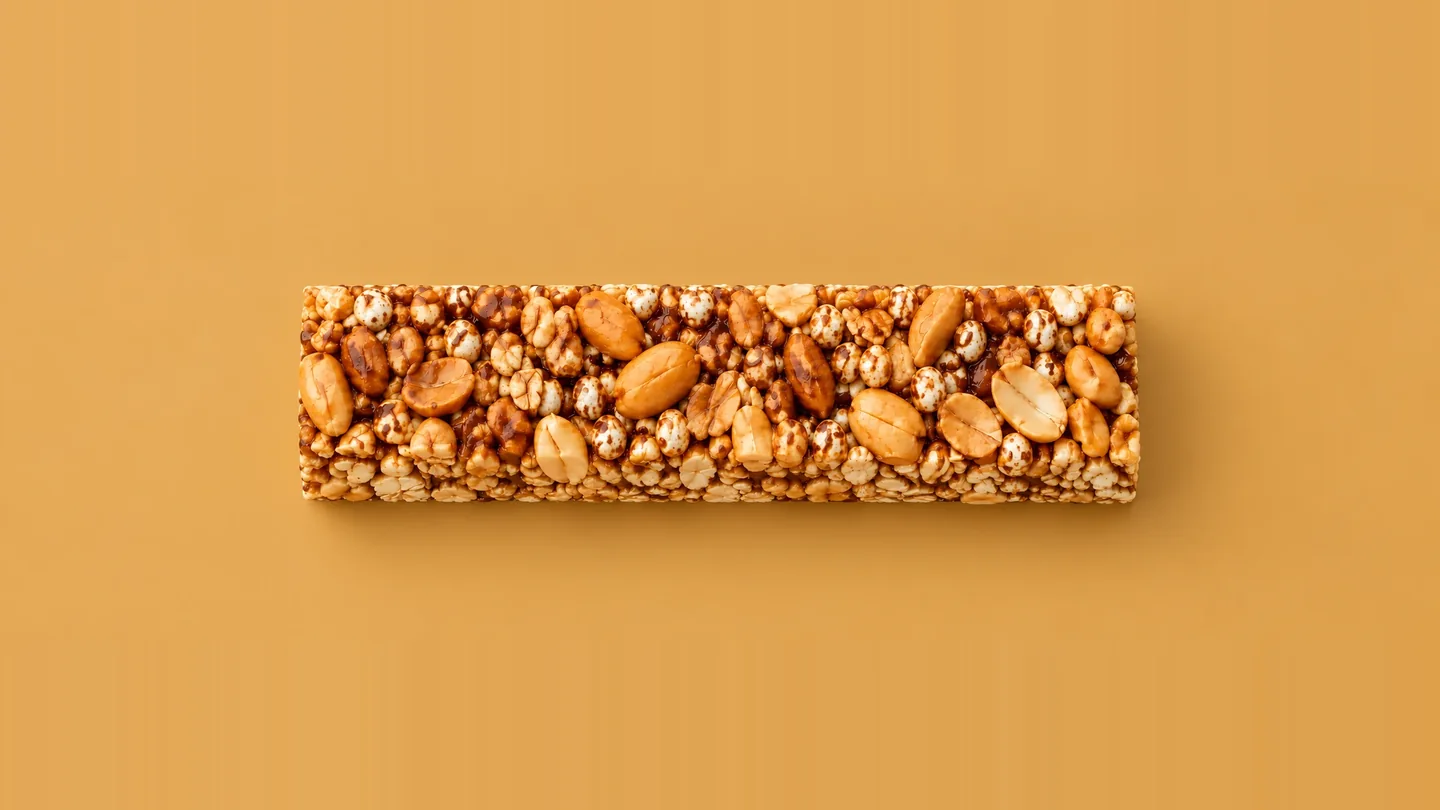
- Tamari & peanut explores sweet and salty without baking, with tamari, peanuts, peanut butter, puffed soy and maple syrup.
- Miso & dark chocolate pairs white miso and 70% dark chocolate with hazelnuts, hazelnut butter and maple syrup, without baking.
Choose the combination that intrigues you most. Chocolate if you prefer a familiar starting point. Tomato and cheese if you fancy a savoury break. Shiitake if you want to explore another side of flavour.
A few ways to keep the balance
When you make a recipe, a few simple habits help:
- Start with the amounts given. Adding miso or tamari also changes the amount of salt.
- Distribute ingredients evenly. Mixing miso into the nut butter and syrup helps avoid a bite that tastes much stronger than the others.
- Get to know the product you use. Two white misos can have different profiles; you can adjust a future batch to your taste.
- Leave room for texture. A crunchy walnut, finely chopped tomato or sesame seed contributes as much to enjoying a bar as its tastes do.
Umami does not need to be spectacular. Sometimes you recognise it in a little depth that makes you slow down after the first bite.
Next time you taste a tomato, a mushroom or a miso bar, you may have one more word for what you enjoy.