Homemade bars with chestnuts and unsweetened chestnut purée
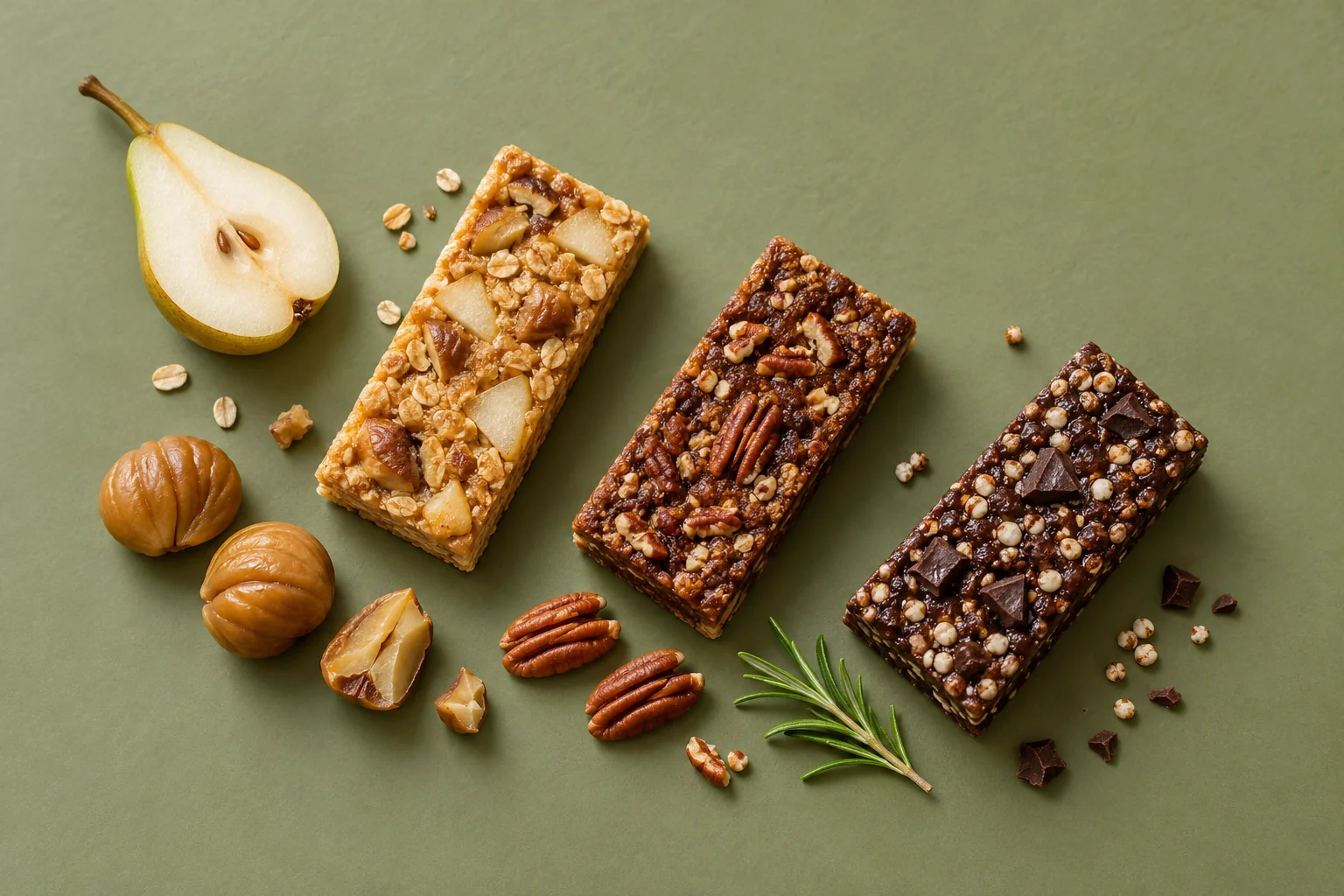
A woodland flavour, a tender bite and plenty of room to play. Chestnut Crush pairs chestnuts with pear, espresso, spices and rosemary. Some recipes keep them chunky; others use plain purée for a smoother texture. Baked or chilled, find the combination you fancy.
A few pointers to help you choose
- Read the ingredients: these recipes use chestnut purée with no added sugar. Sweetened chestnut spread and some vermicelli pastes are different products and are not interchangeable.
- Start with cooked, peeled chestnuts or ready-to-use purée. If using raw chestnuts, allow extra time for cooking and peeling them.
Recipes in this collection (6)
Refine with filters →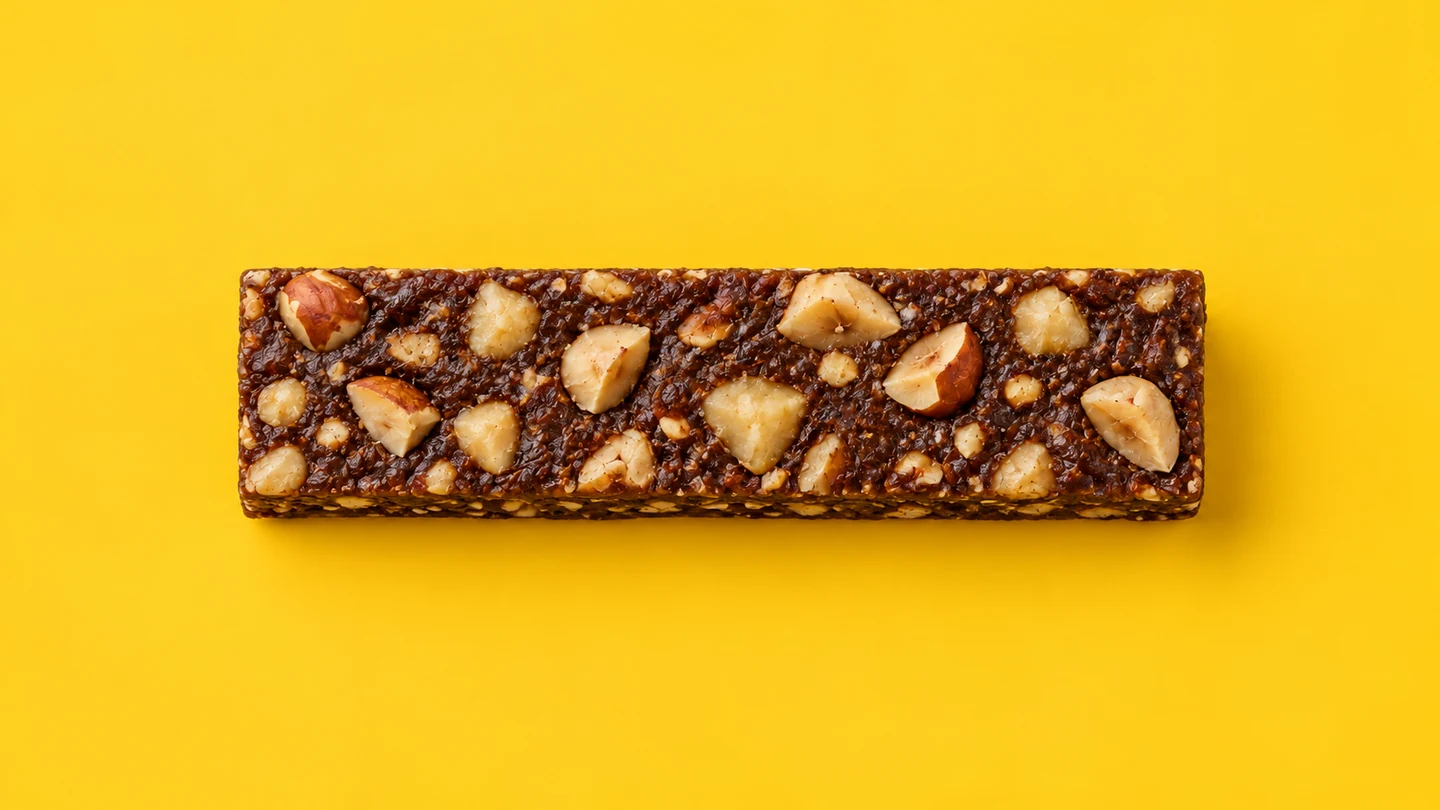
Chestnut, cocoa & hazelnut
An autumn-soft bite with a hazelnut crunch.
Prep : 20 min · No baking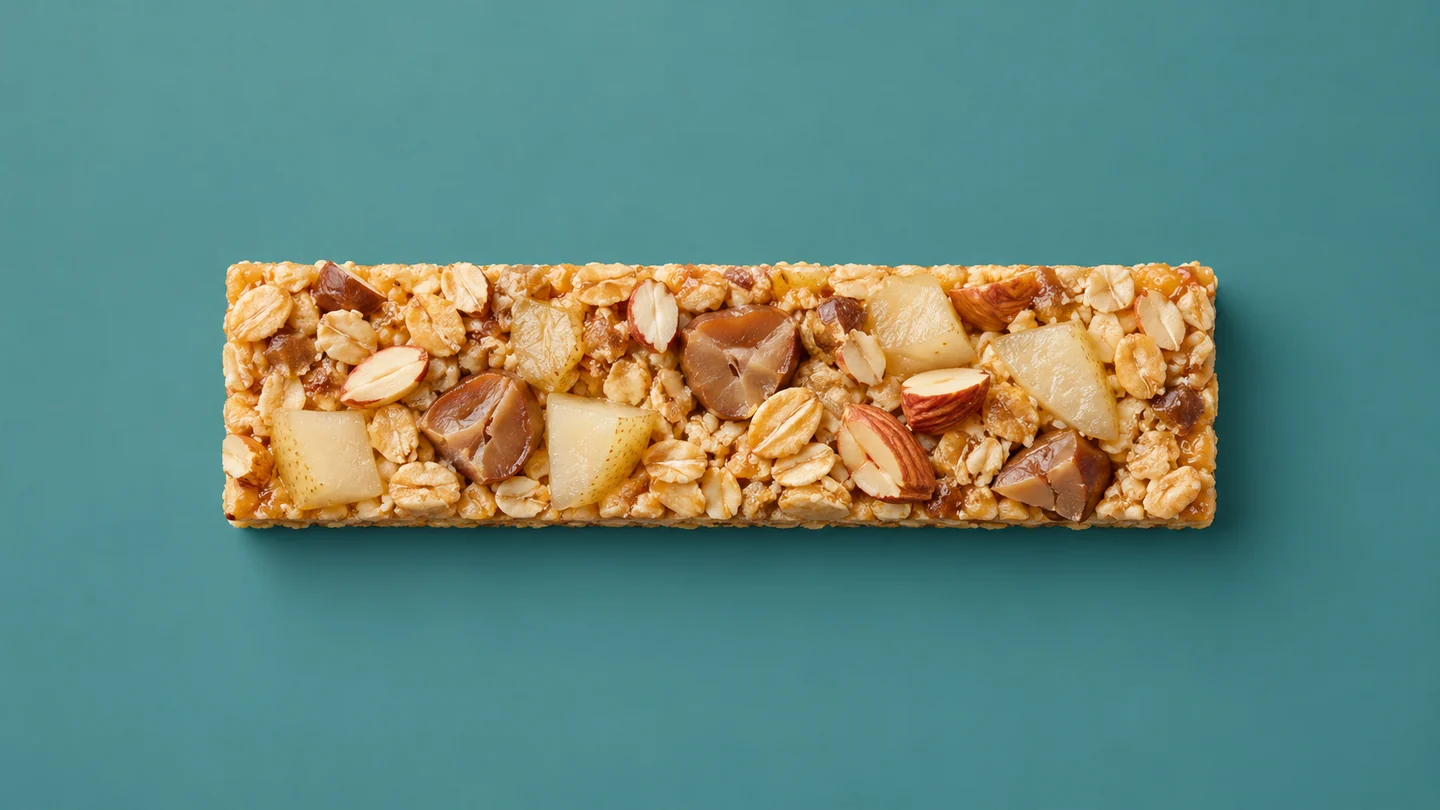
Chestnut, pear & vanilla
A soft centre with little pieces of pear.
Prep : 20 min · Baked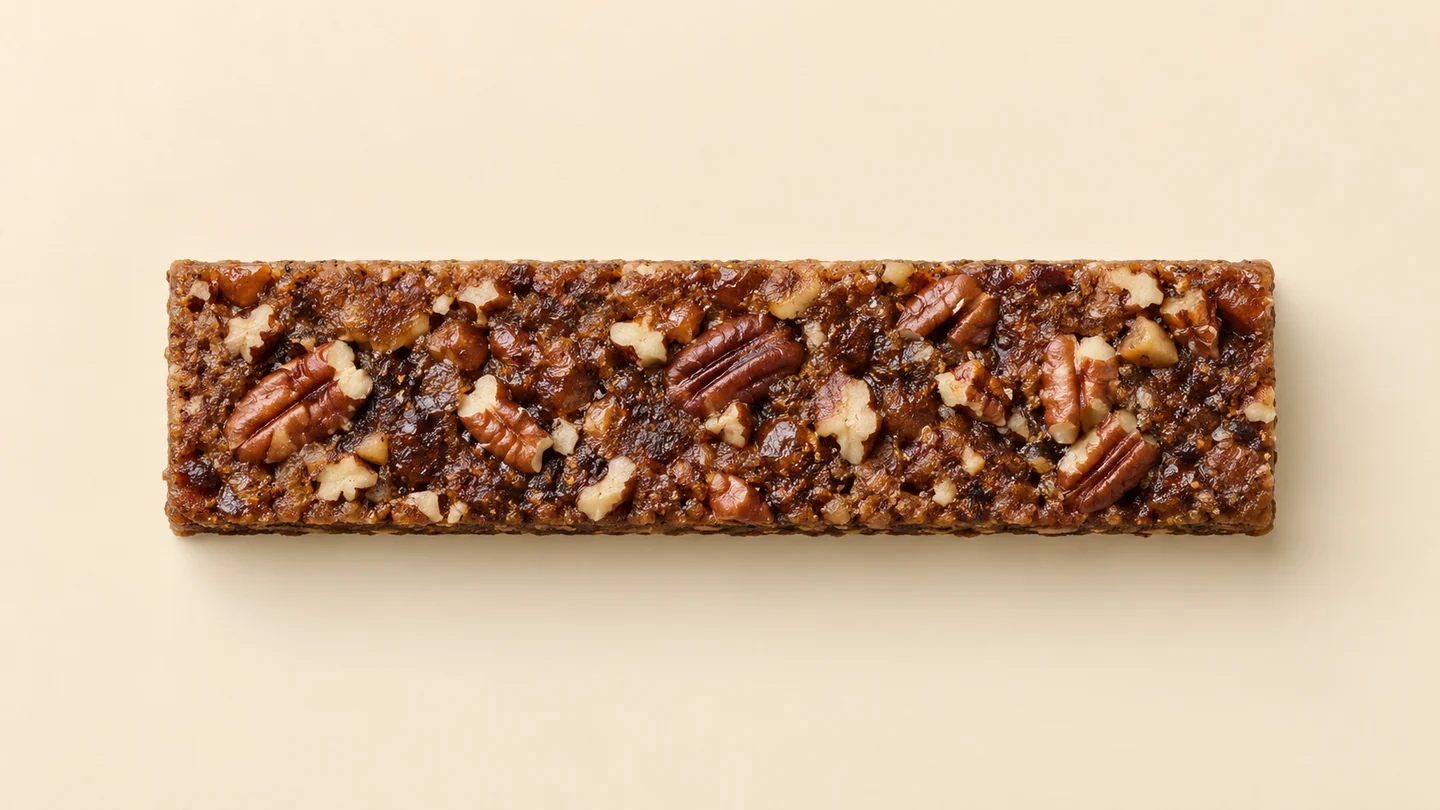
Chestnut, espresso & pecan
Strong coffee, a soft bite.
Prep : 20 min · No baking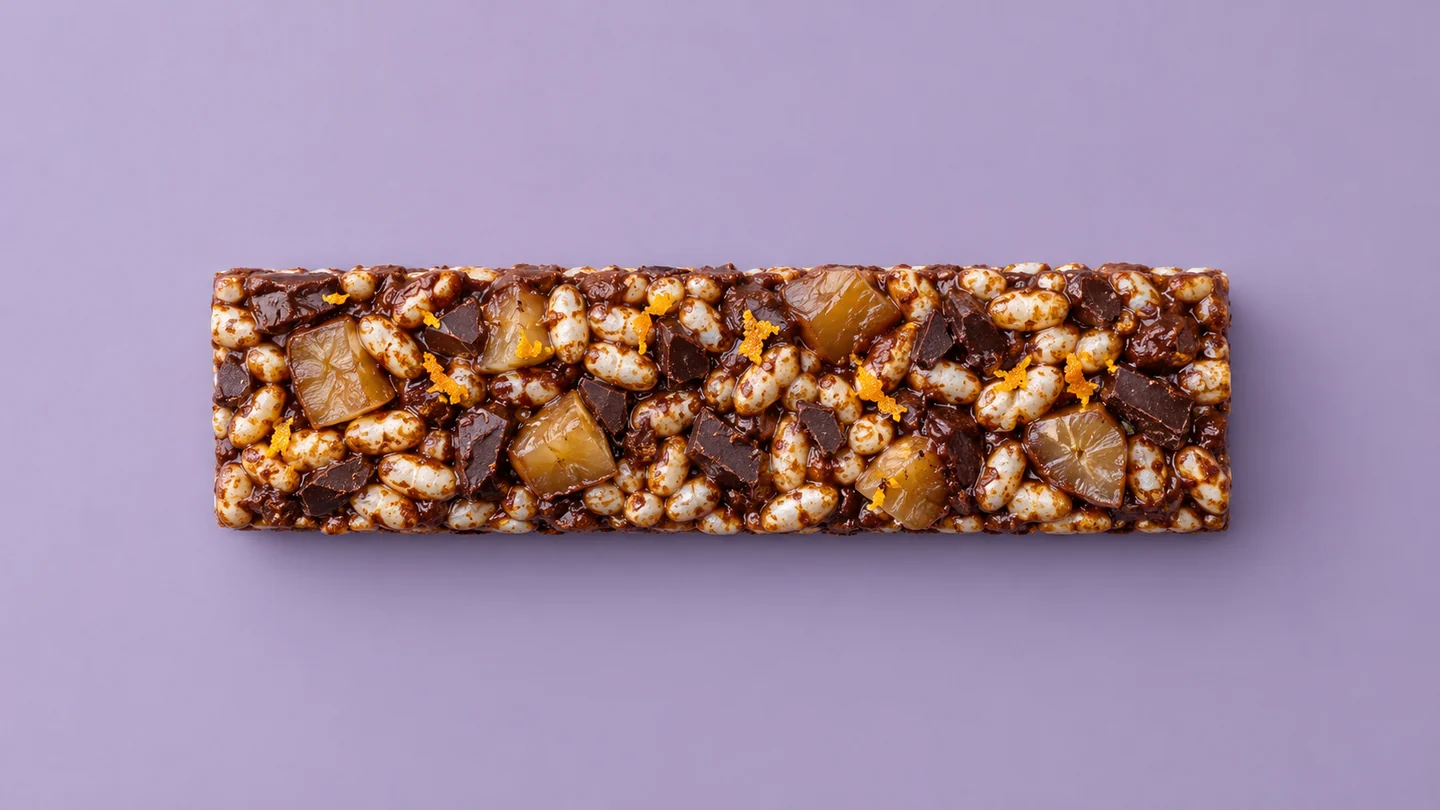
Chestnut, orange & dark chocolate
A chocolate base with light, crisp pieces.
Prep : 20 min · No baking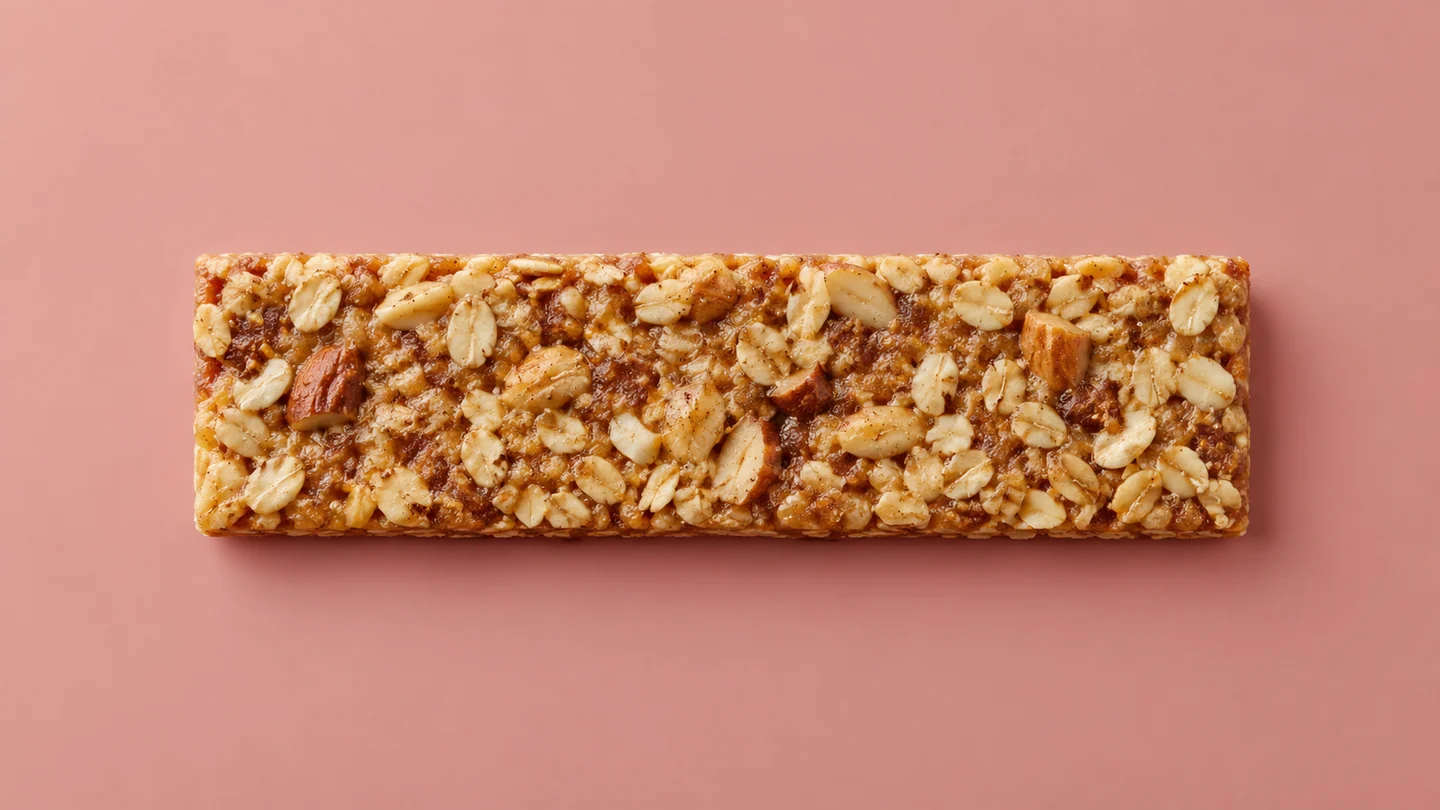
Chestnut, apple & chai
Tender pieces and warming spices.
Prep : 20 min · Baked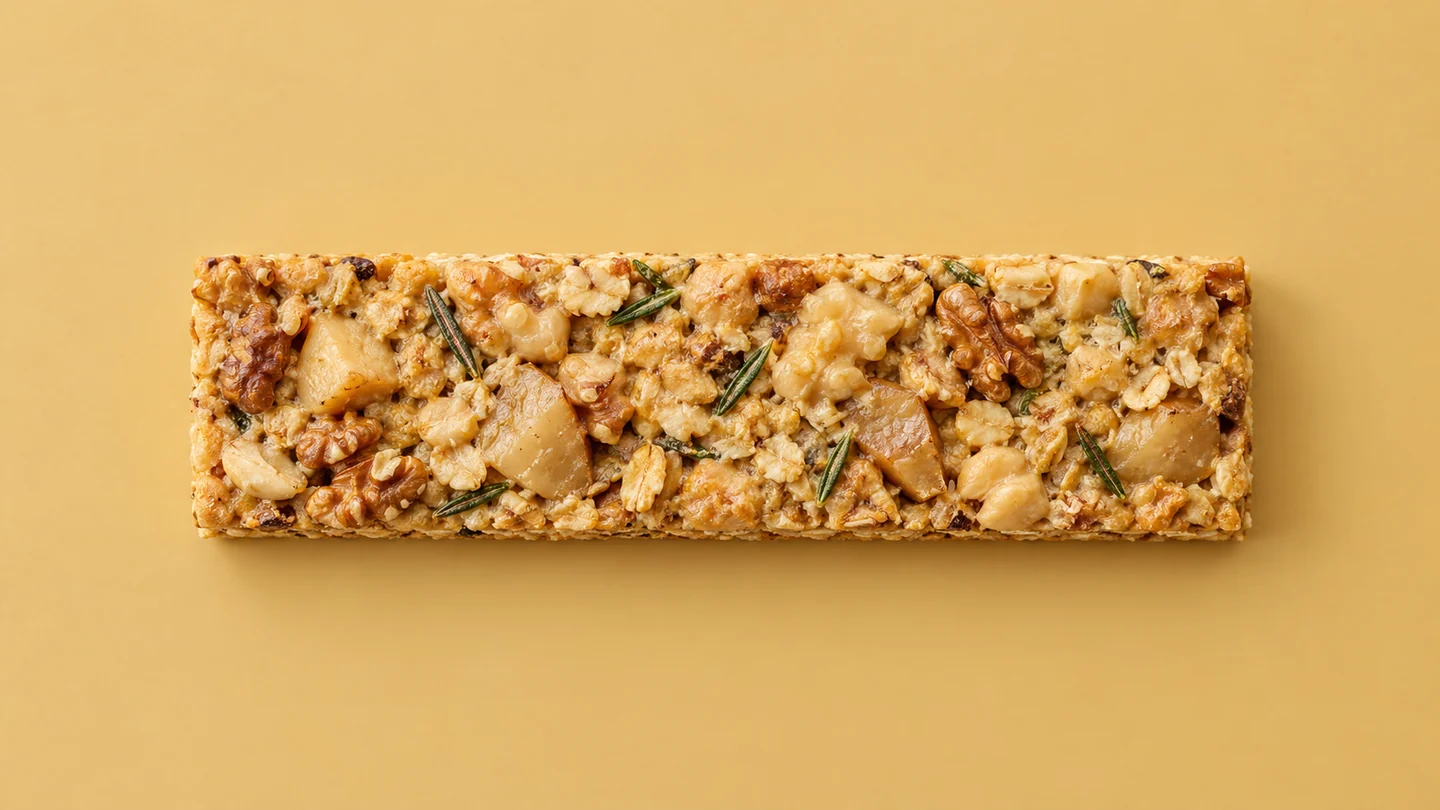
Chestnut, walnut & rosemary
Chestnut takes a savoury turn.
Prep : 20 min · BakedBefore you get started
Which chestnuts do these recipes use?
Use edible sweet chestnuts, cooked and peeled, or plain chestnut purée. The French culinary term “marron” can refer to these chestnuts. It never means horse chestnuts, which are poisonous.
Can I use sweetened chestnut spread?
Not instead of plain purée in these recipes: it contains added sugar and has a different consistency. Choose chestnuts with optional water and no added sugar.
Are these bars crunchy?
Chestnuts and their purée mainly give a soft or dense texture. Nuts add bite, while puffed rice can soften in contact with purée. Let the bars cool or chill as directed before slicing.