Chestnuts: from vermicelles to homemade cereal bars
A shell cracks, a little steam escapes, and the soft flesh crumbles between your fingers. Chestnuts taste of things worth taking your time over. Perhaps you know them hot from a paper cone, or pressed into delicate strands beneath a cloud of cream. Turn them into purée, though, and another possibility opens up: homemade cereal bars.
Before the paper cone, there was the bread tree
Today, a handful of chestnuts is often a treat. For centuries, in some regions, it was something people depended on for food.
In France’s Ardèche and Cévennes, chestnut growing developed from the Middle Ages. The tree earned a very practical nickname: the bread tree. Its fruit was central to everyday meals, far beyond a little autumn indulgence.
Chestnuts even had a place in trade: in Ardèche, they were used as a means of exchange, like wheat or salt. That handful on your worktop suddenly looks rather different.
Their role changed over time. In the nineteenth century, the spread of potatoes as a food crop, industrial demand for timber and changes in rural life contributed to the decline of chestnut groves. Chestnuts stayed in the kitchen, with new parts to play.
Chestnuts, marrons and a small matter of names
At a French market, you might buy « châtaignes ». A street stall sells « marrons chauds », and dessert brings « crème de marrons ». Has the fruit changed along the way?
In these culinary names, a marron is an edible chestnut. The word is used particularly for large cultivated chestnuts and has become part of many familiar dish names.
Horse chestnuts, however, are poisonous and must not be eaten. They come from a different tree. The language of sweet shops is no guide to foraging.
In the kitchen, another distinction matters: plain chestnut purée and sweetened chestnut cream are different ingredients. Their names have more in common than their contents.
Vermicelles: a curious nest for your spoon
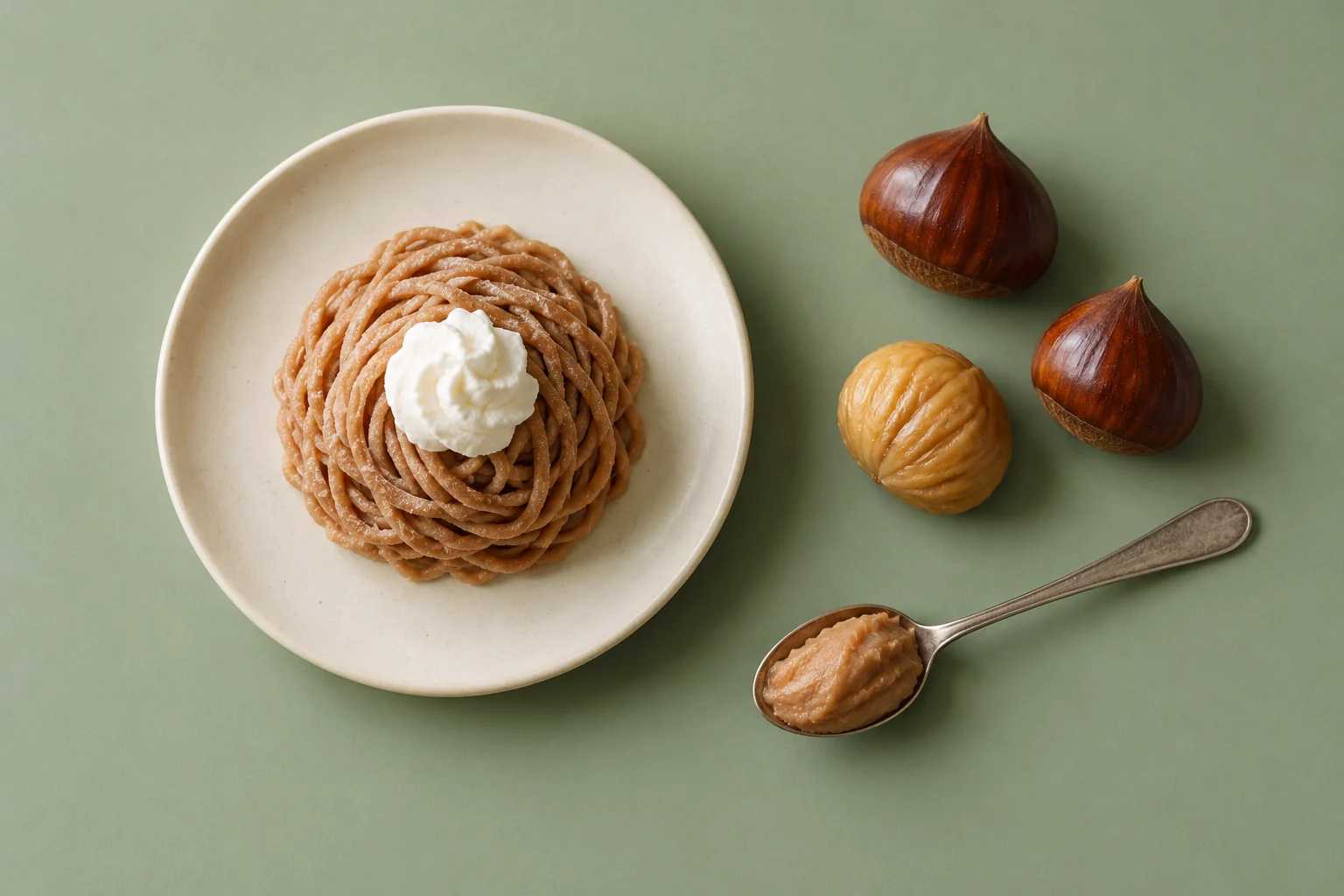
A mound of fine brown strands, a little cream and sometimes a crisp meringue underneath. Swiss vermicelles have a shape you recognise before you read the menu.
The name comes from Italian « vermicelli », literally « little worms ». Perhaps not your first thought in front of a pastry counter, but a fair description of the shape.
The idea is simple: a sweetened chestnut mixture is pressed through small holes to form strands. Depending on the recipe, milk, vanilla or other ingredients join the purée.
In 1894, Valais-born cook Joseph Favre already described chestnut vermicelles with cream in his Dictionnaire universel de cuisine pratique. He shaped them into a nest with whipped cream in the middle. That records their history; it does not establish that he invented them.
A more unexpected detail: a chestnut purée recipe published in Switzerland in 1901 accompanied lamb chops. Chestnuts were already comfortable moving between sweet and savoury. Walnuts and rosemary should feel right at home.
A purée that gives homemade bars body
That freedom is exactly what interests us at miette. We leave the fine strands to vermicelles and use the purée to explore another texture.
In a cereal bar, thick chestnut purée adds a soft, dense body. It can help bring the ingredients together and make the result tender. Its role depends on the rest of the recipe: oats, chocolate, nut butters and seeds also contribute to how well a bar holds.
Think softer, sometimes fudgy bars, rather than always chasing granola crunch. With puffed rice, for instance, the purée’s moisture can gradually soften the grains.
Pear and vanilla extend its gentle sweetness. Orange and dark chocolate bring contrast. Walnuts and rosemary take it in a savoury direction.
These are culinary possibilities. Chestnuts need no miracle-ingredient status to make you want to cook.
Homemade chestnut purée: two ingredients, one texture to find
For a plain version, cooked, peeled chestnuts and a little water are enough. Soften them gently, then blend or pass through a food mill.
The deciding detail is on the spoon: the purée should sit in a small mound, without running or leaving a ring of water. Add water gradually. You are not making a sauce.
The miette. recipe starts with cooked chestnuts to keep preparation simple. With fresh ones, allow extra time for cooking and peeling.
Before adding it to your bars, let it cool, stir it and weigh the amount in the recipe. After thawing, pour off any separated water before stirring.
If you buy a jar, check the label: these recipes need plain purée with no added sugar. Sweetened chestnut cream or a sweet vermicelles mixture would change the recipe’s balance.
Three recipes to make room for it
Three bars in Chestnut Crush use this plain purée. Each gives it a different character.
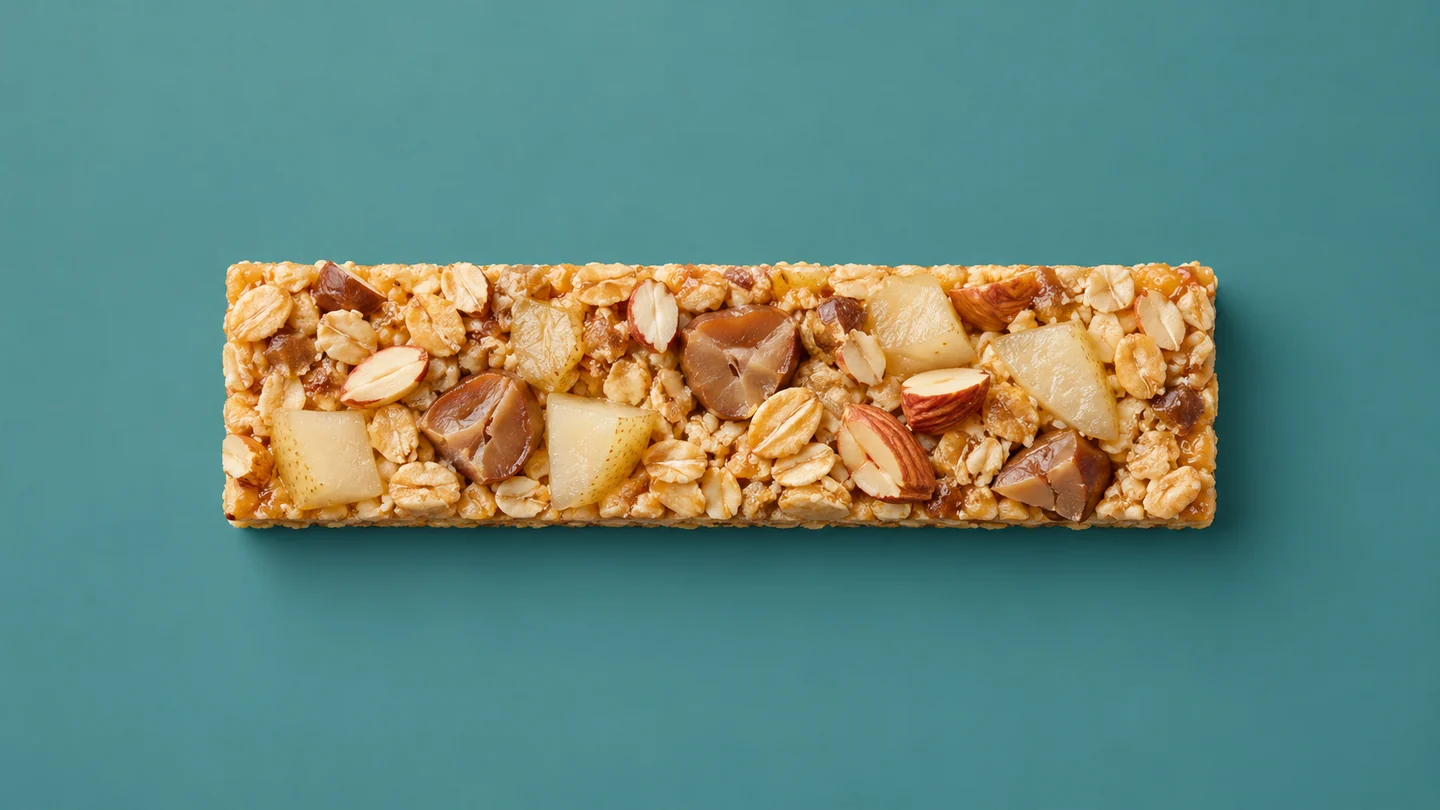
Chestnut, pear & vanilla
Purée joins oats, pear, almonds and almond butter in an oven-baked bar. A gentle combination designed for a tender texture, with little pieces of almond for contrast.
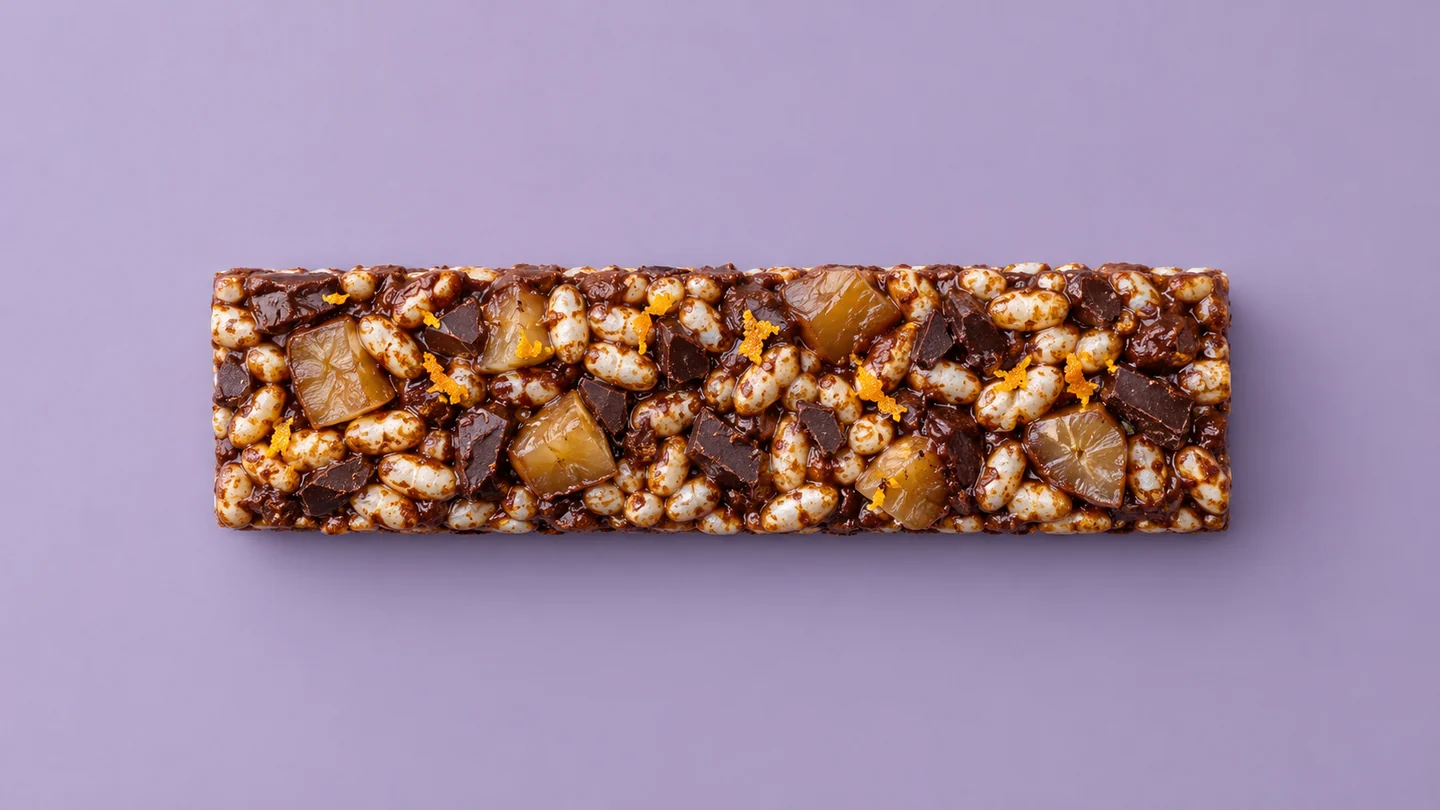
Chestnut, orange & dark chocolate
Here, the purée meets melted dark chocolate, puffed rice, almonds and orange zest. The mixture sets in the fridge, with no oven needed. Chocolate gives it structure, chestnut adds softness and zest brings a bright note.
Chestnut, orange & dark chocolate
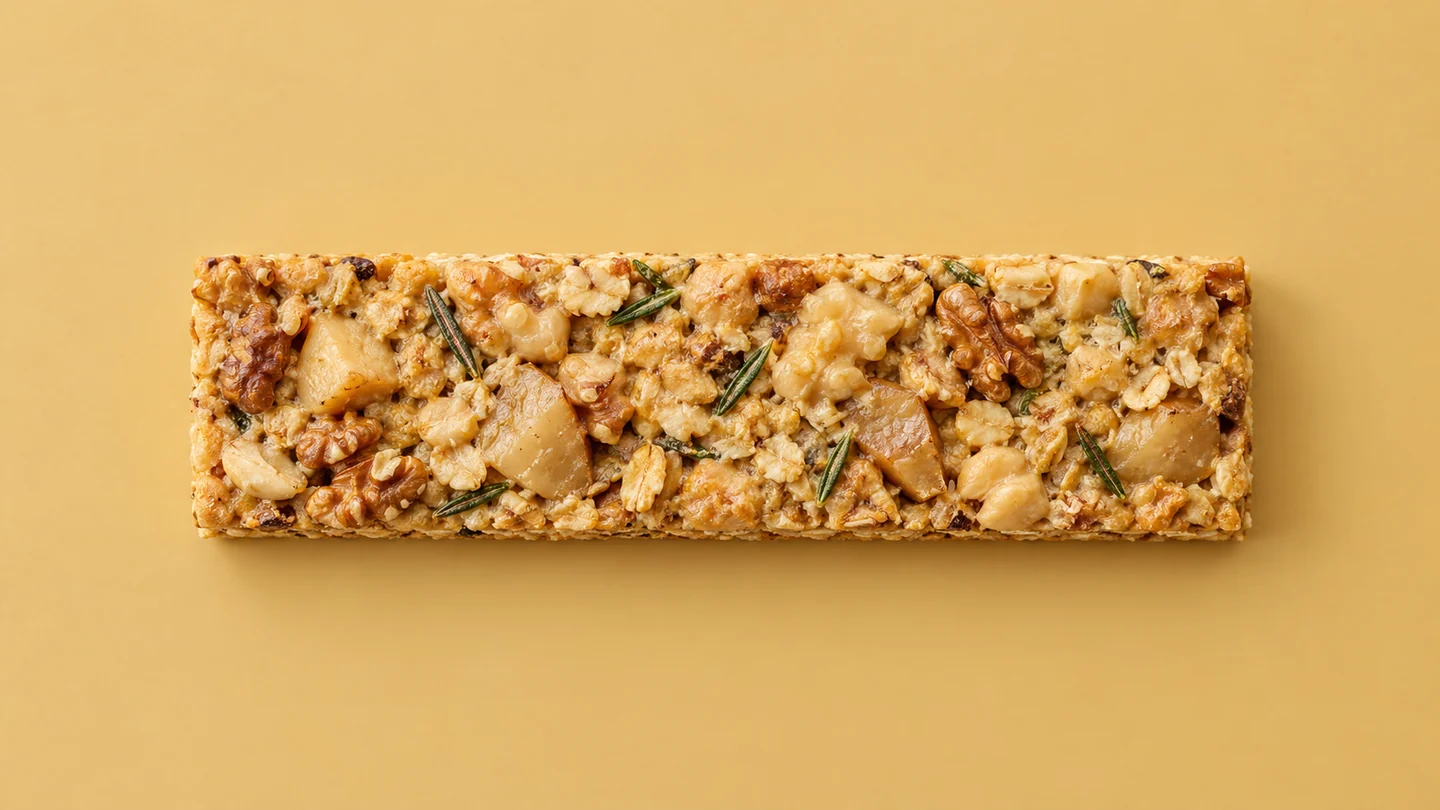
Chestnut, walnut & rosemary
A savoury baked version with oats, chickpea flour, tahini and walnuts. Rosemary complements the chestnut’s sweetness without taking over. A way to imagine homemade bars beyond the afternoon sweet snack.
From a tree that fed villages to a nest of vermicelles, then a little something to take with you, chestnuts have changed shape many times. There are still a few possibilities left to try in your kitchen.