Puffed rice: why crunch tells us stories
A little crack, then another. Before the chocolate has finished melting, the puffed rice has made itself heard. It weighs almost nothing but brings plenty to a bite. Sometimes that tiny sound even brings back a breakfast table. How can a few crisp grains have so much to say?
We eat with our ears, too
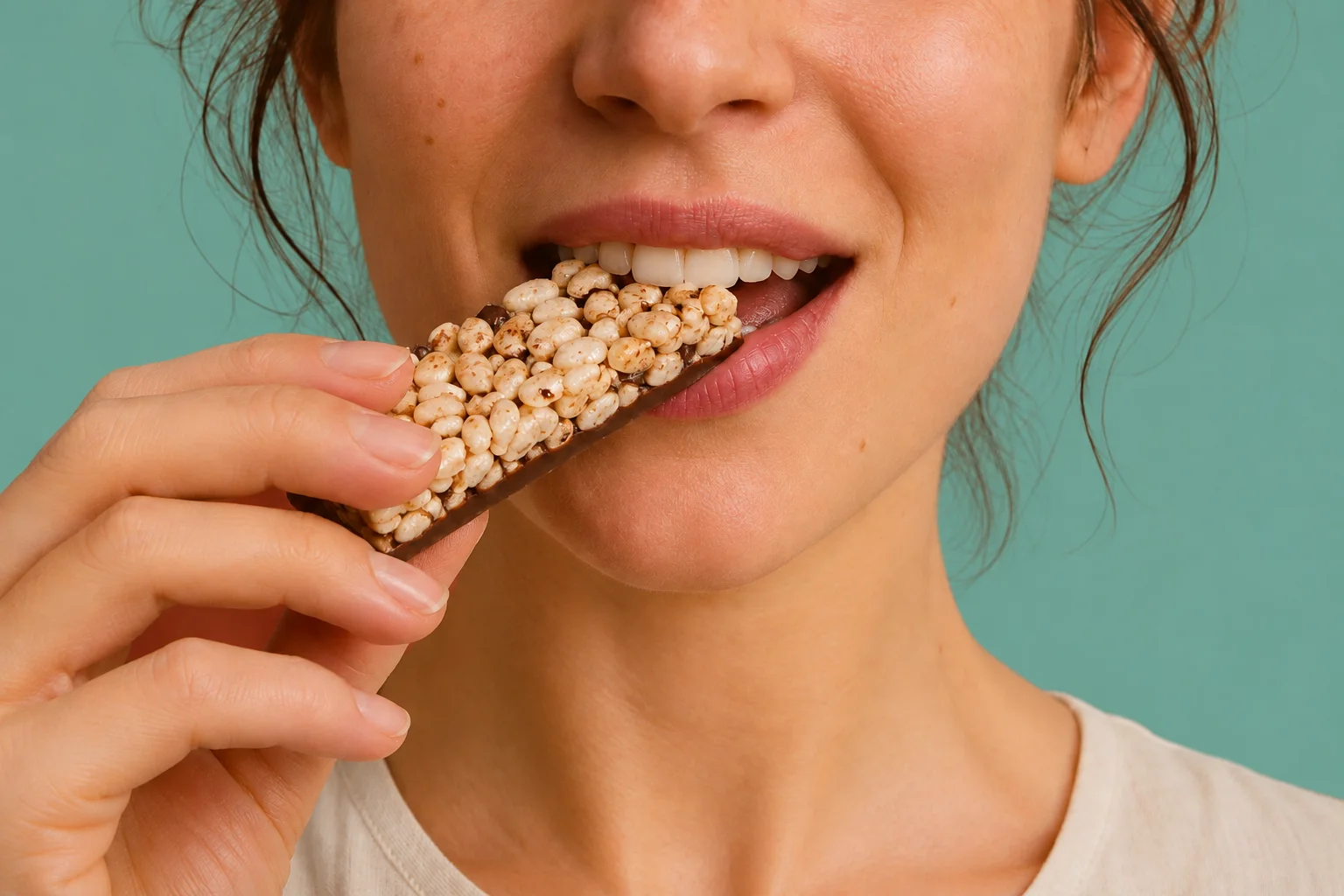
Imagine two identical bites: same recipe, shape and temperature. Only the sound changes. In a classic experiment , Massimiliano Zampini and Charles Spence asked people wearing headphones to bite potato chips. Amplifying the sound or boosting its higher frequencies made the chips seem crisper and fresher.
Their actual freshness had not changed. Perception had. Your brain does not receive a product specification when you eat; it brings together several kinds of information.
Charles Spence’s review of eating sounds explores this multisensory experience. The chip experiment does not directly measure enjoyment of puffed rice, but it helps explain why texture deserves as much thought as flavour.
A bite never starts from nothing
We expect different things from a crunchy cereal bar, sticky caramel and a yielding pear. Context matters. Soft rice in a supposedly crisp bar may disappoint; in an intentionally tender recipe, softness can make perfect sense.
This is a way of considering our habits, not a universal ranking of textures. Crunch guarantees neither freshness nor nutritional quality. And sensory research does not justify claiming that puffed rice “activates dopamine” or causes addiction. A bite is interesting enough without imaginary powers.
A sound, a scent… perhaps another kitchen
A morning bowl, a tin opened at your grandparents’ house, chocolate on your fingers: perhaps these images feel familiar. Perhaps they do not. They are invitations to explore your own memories, not a childhood everyone shares.
Scent offers a useful research connection. A 2026 meta-analysis of 18 studies found that odour cues could evoke more emotional memories and a stronger feeling of being back in the moment. The advantage did not extend to every aspect of memory.
That does not prove a crunch automatically takes you back to childhood: the research concerns smells, not puffed rice. It does illuminate one part of a bite where chocolate aroma, texture and personal history meet. The memory is not stored in the grain.
From a spicy snack to a breakfast box
Personal memories also meet collective habits. In Bengal, jhalmuri puts puffed rice in a spicy snack. Associating it first with milk, sugar or chocolate is just one cultural possibility.
In the United States, Alexander Anderson demonstrated his cereal-puffing process at the 1904 St Louis World’s Fair. Cannon-like equipment made production a spectacle. This is a chapter of American industrial history, not the origin of every puffed-rice tradition.
Rice Krispies later made cereal sounds part of its identity through Snap, Crackle and Pop. This history comes from the brand itself. Our culinary reading is that a sound can become as recognisable as packaging: family routines and advertising give a texture meanings beyond its manufacture.
The curious homemade detour
Back in the kitchen, we may want to make something we could buy in seconds. Homemade puffed rice is a small paradox: such a light ingredient takes time, drying and attention.
The miette. homemade puffed rice recipe uses cooked rice, thoroughly dried and briefly fried in hot oil. It does not recreate industrial pressure puffing. The grains may be smaller, less even and firmer than a bought product.
This is not a compulsory shortcut or a promise of healthier food. Plain shop-bought puffed rice works well in bars. Making it yourself is a chance to observe a transformation and decide whether you enjoy the process. An oven or air fryer is not presented as a validated equivalent.
Building crunch into homemade bars
What would you like to feel and hear when you bite? Puffed rice brings little pockets of texture, but moisture and the binder change them. Fruit purée can soften the grains; chocolate brings a different structure. Follow a suitable recipe rather than swapping rice for oats at random.
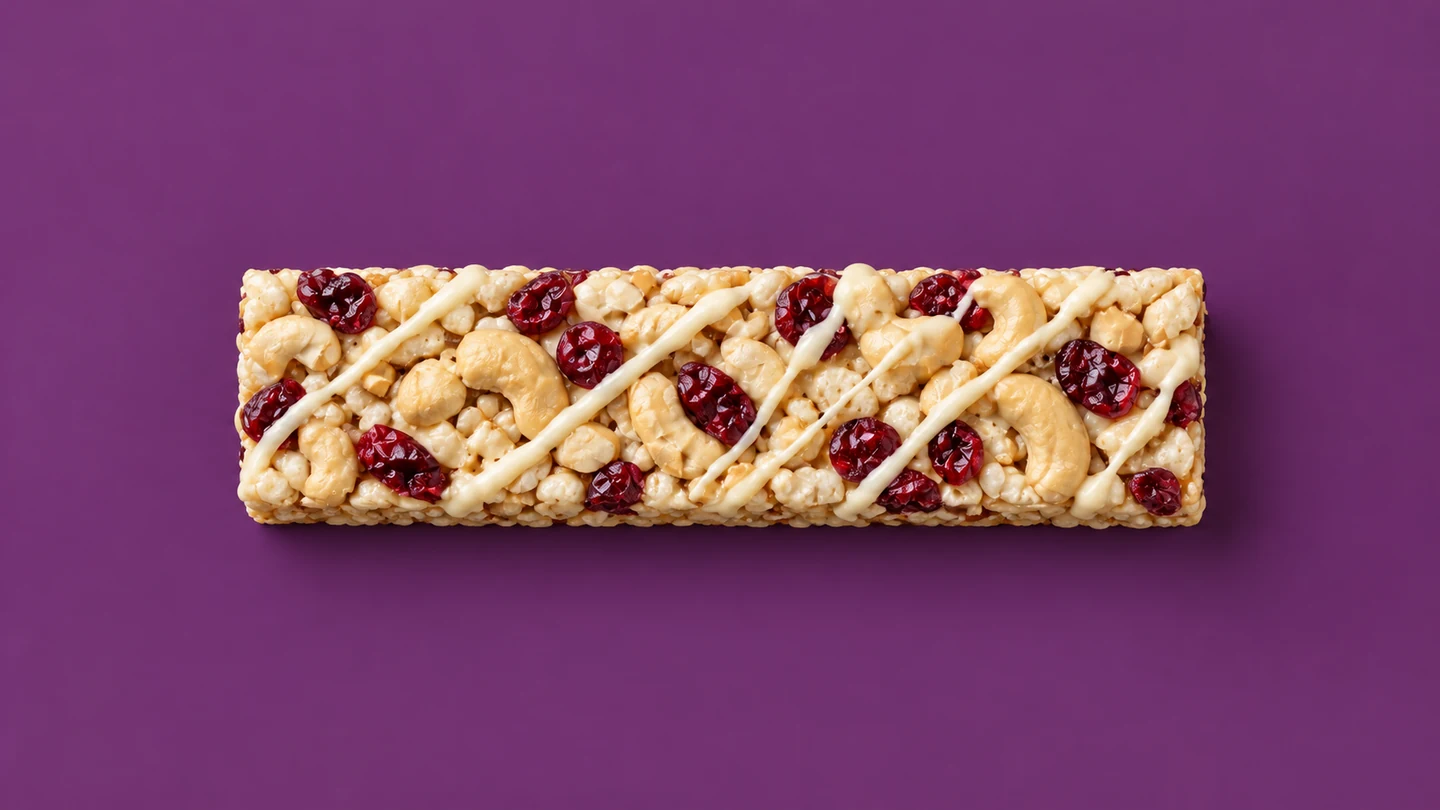
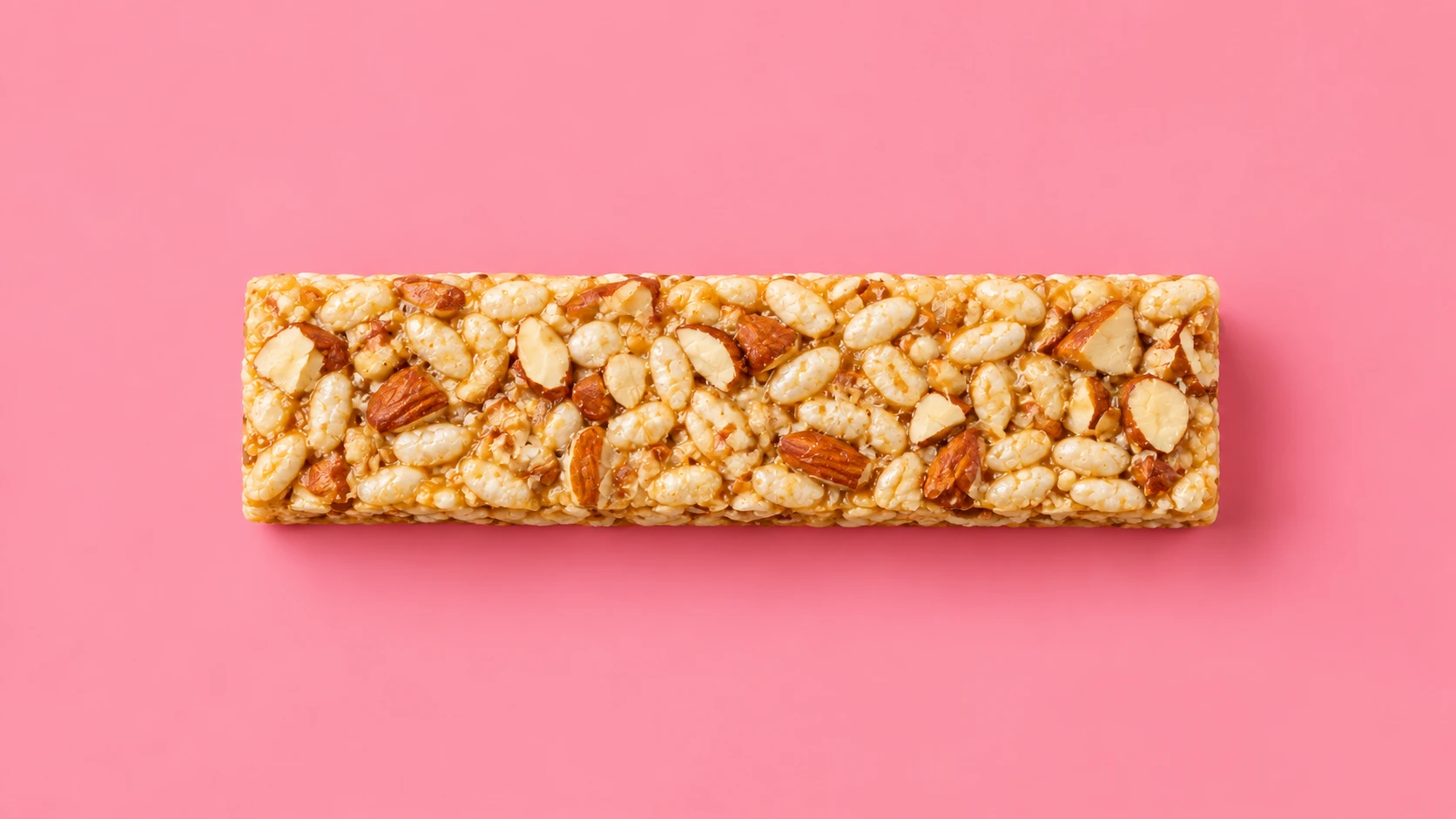
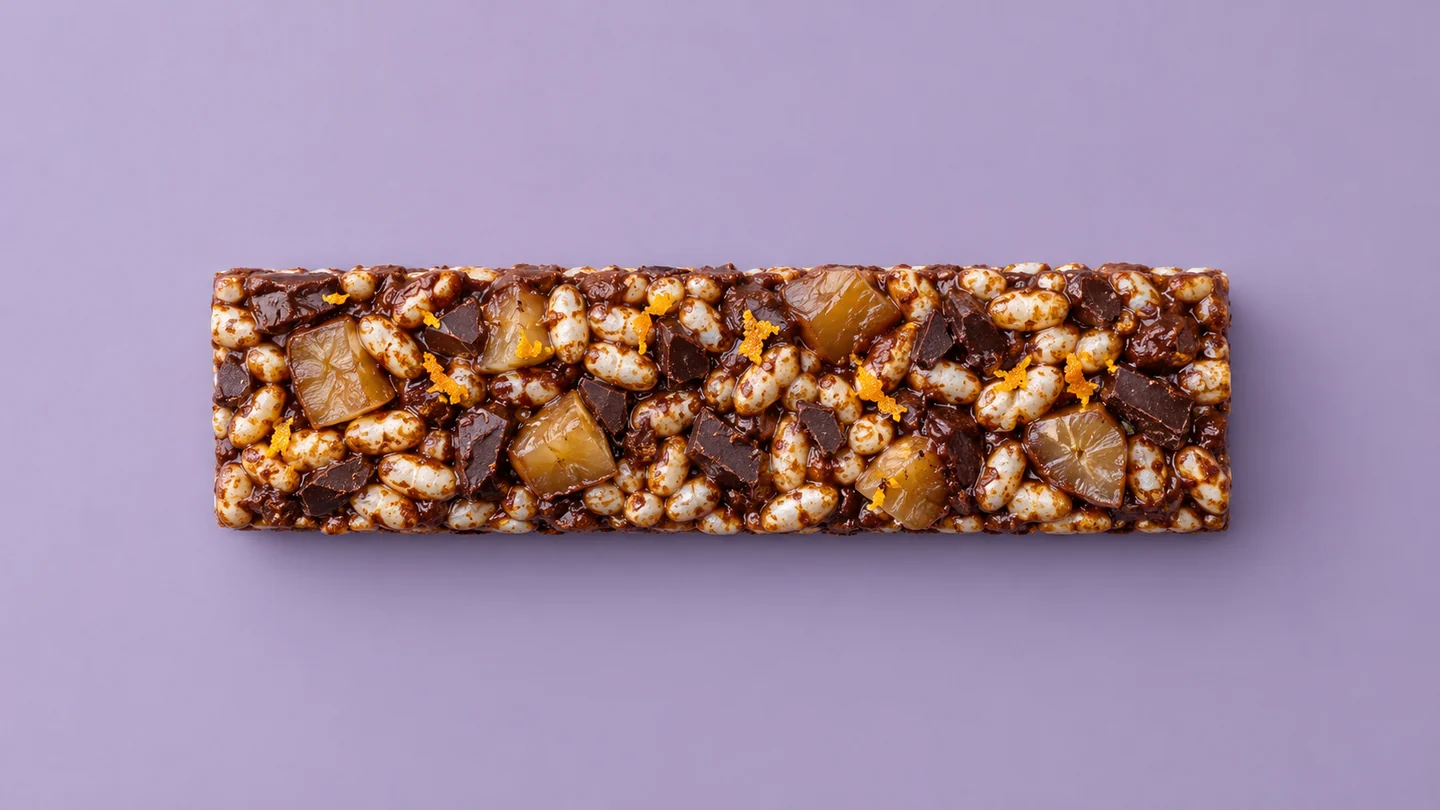
In Cranberry, puffed rice & white chocolate , it meets white chocolate, cashew and cranberries. In Almond & honey, nougat-inspired , almond and honey create a softer chew, rather than traditional nougat. In Chestnut, orange & dark chocolate , chestnut purée makes a more yielding bar, where grains may soften over time.
For your next snack, simply slow down the first bite. Hear the grain give way, feel the binder melt and notice what remains. No laboratory required. Sometimes listening is enough.